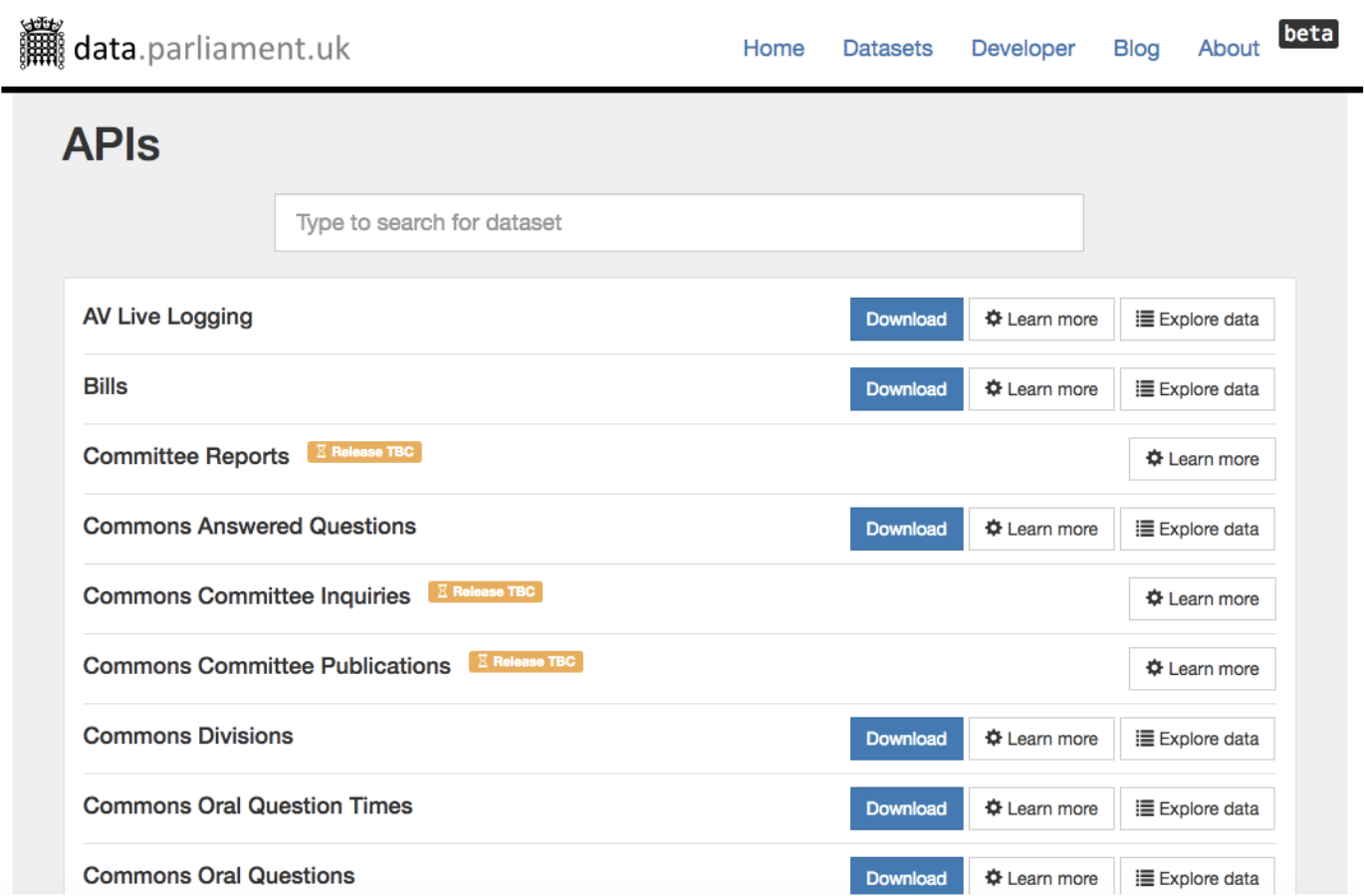
The article explains what APIs are and how they differ from other data sources; the basic principles of how they work and how they can be used for stories; some of the jargon to expect — and where to find them. Read the article here.
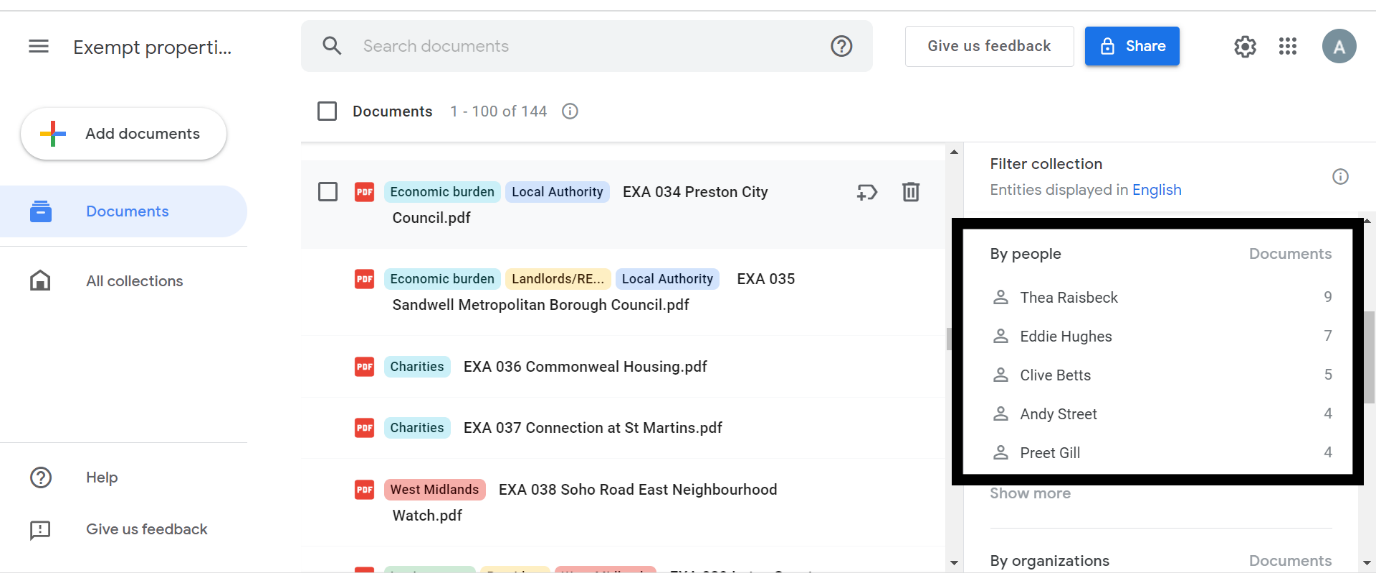
Pinpoint creates a ranking of people, organisations, and locations with the number of times they are mentioned on your uploaded documents.
MA Data Journalism student Tony Jarne spent eight months investigating exempt accommodation, collecting hundreds of documents, audio and video recordings along the way. To manage all this information, he turned to Google’s free tool Pinpoint. In a special guest post for OJB, he explains how it should be an essential part of any journalist’s toolkit.
The use of exempt accommodation — a type of housing for vulnerable people — has rocketed in recent years.
At the end of December, a select committee was set up in Parliament to look into the issue. The select committee opened a deadline, and anyone who wished to do so could submit written evidence.
Organisations, local authorities and citizens submitted more than 125 pieces of written evidence to be taken into account by the committee. Some are only one page — others are 25 pages long.
In addition to the written evidence, I had various reports, news articles, Land Registry titles an company accounts downloaded from Companies House.
I needed a tool to organise all the documentation. I needed Pinpoint.
One of the most common challenges in factual storytelling is identifying the right human sources to turn an idea into a fleshed out story. And one of the most common mistakes is not to spend enough time on this vital step.
To help with this, here’s a framework for brainstorming potential sources.
The five categories of source
There are five categories of source in the framework:
One of the most basic sources of story ideas for a journalist is a news diary listing forthcoming newsworthy events. For the journalist looking for ideas in data, having forthcoming data releases in your diary can be especially useful.
Here is a quick guide preparing your own data news diary.
The database query language SQL pops up in all sorts of places when you’re working with data — especially big data — and can be a very useful way to query data in spreadsheets, APIs and coding. This video, made for students on the MA in Data Journalism at Birmingham City University, explains what SQL is, the different places you will come across it, and how to get started with SQL queries.
Three key terms you might hear used in data journalism circles are “open data“, “linked data” and “big data“. This video, made for students on the MA in Data Journalism at Birmingham City University, explores definitions of the three terms, explains some of the jargon used in relation to them, and the critical and ethical issues to consider in relation to open and big data in particular.
Three other video clips are mentioned in the video, and these are embedded below. First of all, Tim Berners-Lee‘s 2009 call for “raw data now”, where he outlined the potential of open and linked data…
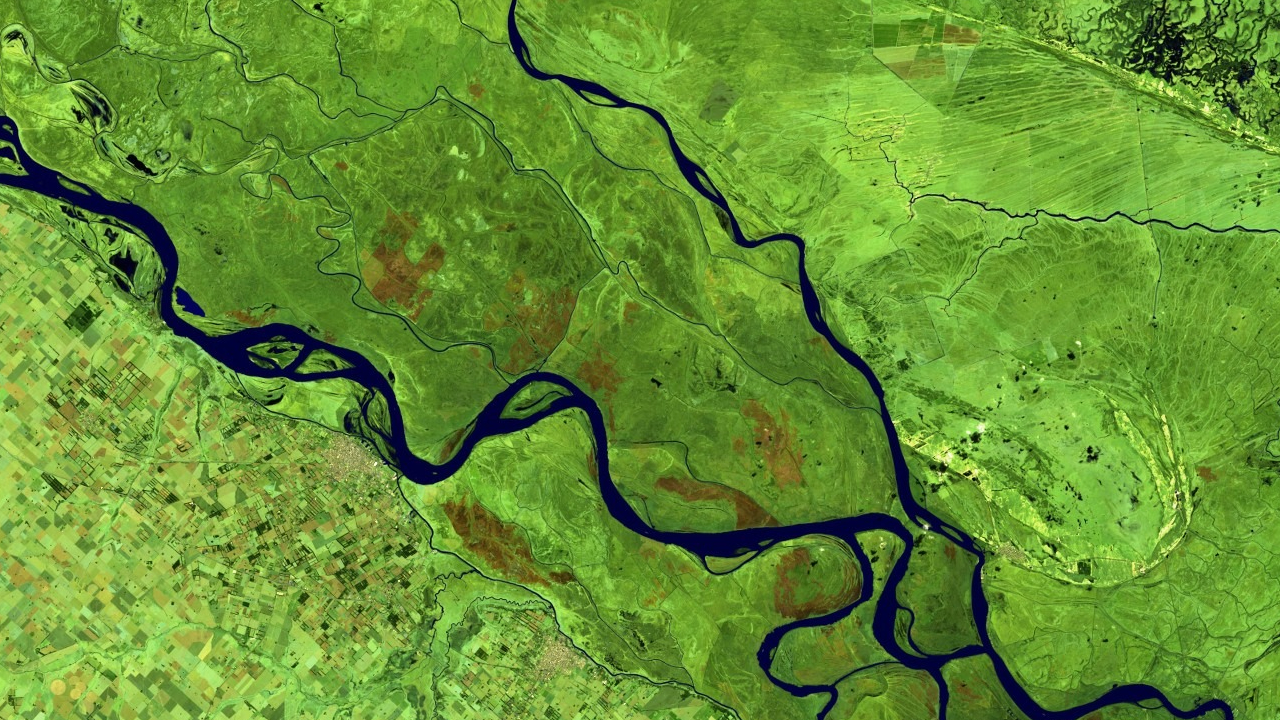
False colour image of the Paraná River near its mouth at the Rio de La Plata, Argentina. Image: Copernicus Sentinel data [2022] processed by Sentinel Hub.
Satellite imagery is increasingly a key asset for journalists. Looking from above often allows us to put a story into context, take a more interesting perspective or show what some power prefers to keep hidden.
But with hundreds of satellites taking thousands of images of the Earth every day, it is difficult to separate the wheat from the chaff. How can we find relevant stories in this ocean of data?
Satellite-driven stories don’t have to use using artificial intelligence (AI) — many can be told using satellite data alone, without. The main advantages of AI include quantifying phenomena, identifying patterns, showing changes or finding a “needle in a haystack” across large territories or different time periods.
AI algorithms can also be used to automate a process: since satellites produce recurring data, you can build, for example, a platform that automatically detects changes in the size of forests.
Paul Bradshaw’s framework for data journalism angles recognises eight types of stories: scale, change, ranking, variation, exploration, exploration, relationships, stories about data and stories through data. The same framework can be adopted to generate ideas for satellite journalism, too.
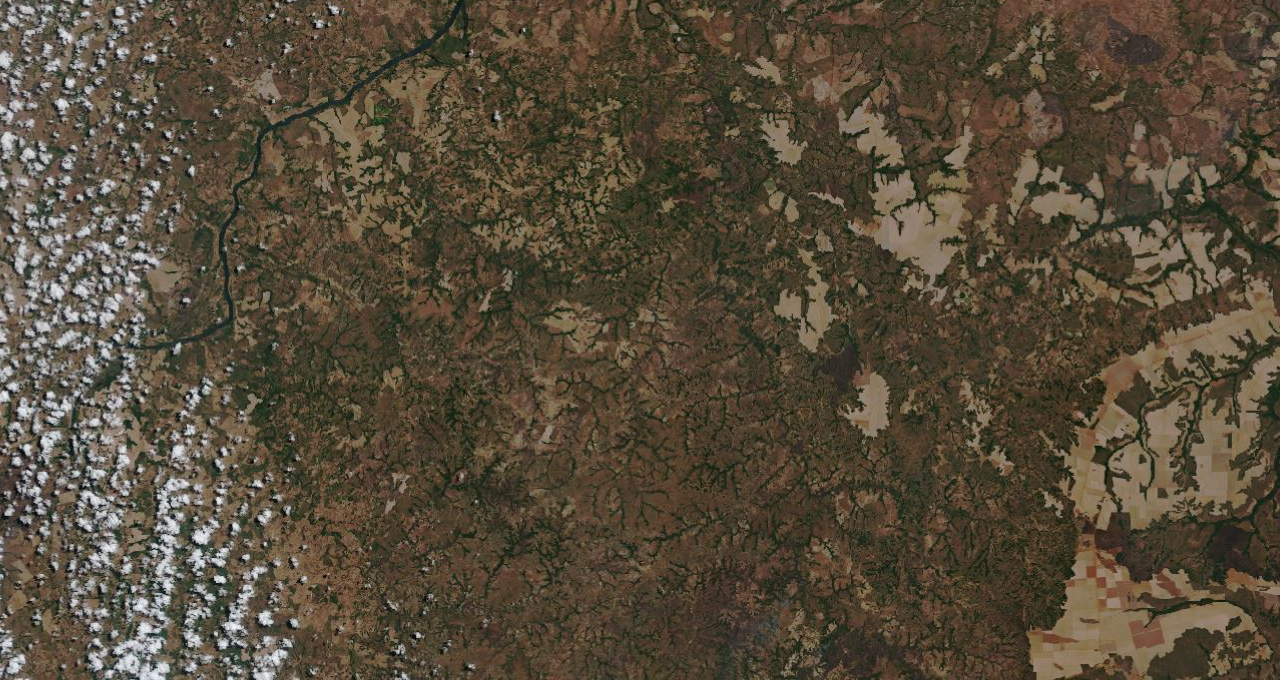
Satellite image of the Amazon. Tocantins, Brazil. Source: Copernicus Sentinel data [2022] processed by Sentinel Hub, using Highlight Optimized Natural Color.
In the first of two guest posts for OJB, first published on ML Satellites, MA Data Journalism student Federico Acosta Rainis explains how to get started with satellite journalism — and avoid common pitfalls.
Working with satellite imagery and AI models takes time and patience. There is no general rule: you have to find the right model for each case, in a process of trial and error, while crunching large amounts of data.
That is why the advice of Anatoly Bondarenko, data editor of Texty, is crucial:
Tara Calishain used JavaScript to create a collection of tools that save time for journalists conducting research. In a special guest post for OJB, she explains how five of those work.
It’s been over 25 years since I wrote the Official Netscape Guide to Internet Research (and 24 years since I started my blog ResearchBuzz), but search engines and the problem of finding things on the Internet remain just as fascinating to me. Over this summer I began trying to actually solve search challenges instead of just thinking about them — and working out techniques to minimize them.
What changed? I began learning JavaScript! I spent some time in a SkillShare class in May, started a GitHub account in June, and by Labor Day I had a collection of about twenty of what I’m calling ResearchBuzz Search Gizmos.
They’re all freely available at researchbuzz.github.io. Some of them require API keys, but the keys are free as well.
I love all my little Gizmos and could never pick an absolute favorite, but I think these would be most useful to journalists.





 Online Journalism Blog