Tag Archives: scepticism

How to use FOI to develop good journalism habits

Freedom of Information (FOI) requests are not only one of the best ways to get original and exclusive stories that set your reporting apart — they’re also a good way to develop core journalism habits like curiosity, scepticism, and creativity. Here are some tips on how to get started with FOI while developing those qualities.

Being curious: how often is this happening? How much has it increased?
Curiosity is the first quality I identified in my series on the 7 habits of successful journalists — and FOI is a great way to hone that.

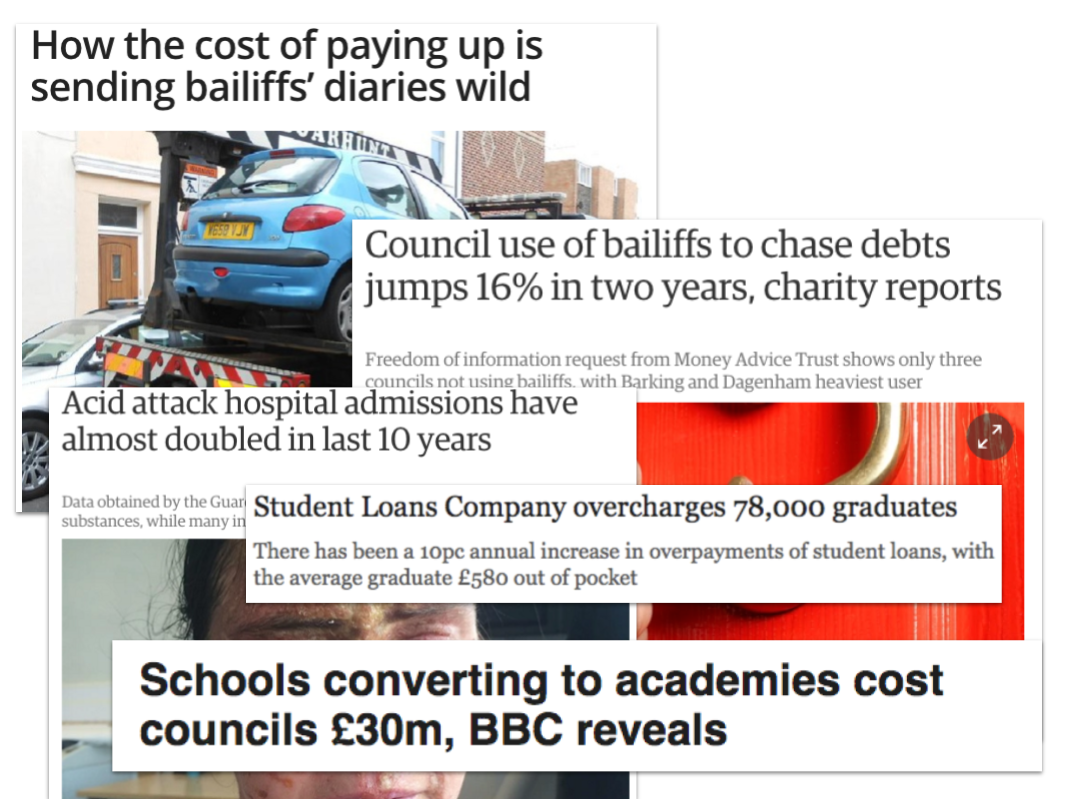
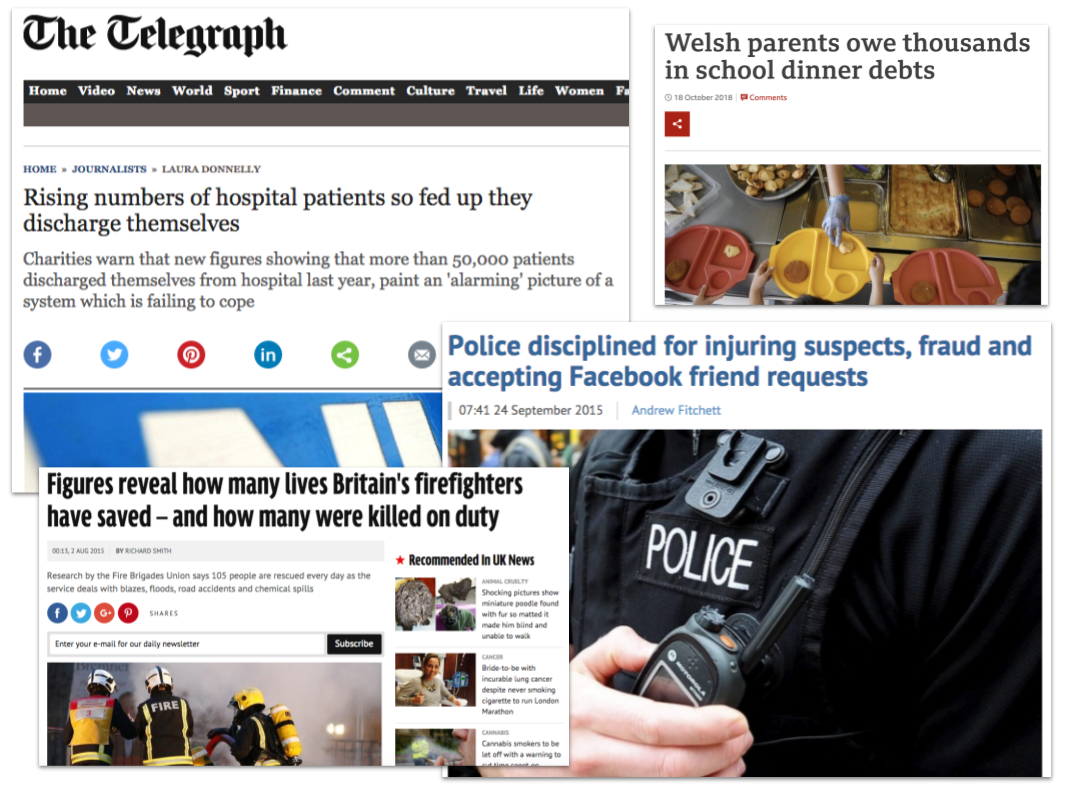
One good way to get started with FOI is to identify an event or problem that you’ve read about, and get curious about it: how many times is that event happening? How much is that problem costing? These are perfect questions for FOI.

Continue reading
The 7 habits of successful journalists: how do you develop scepticism?

In a previous post I outlined seven habits often associated with good journalism that are often talked about (wrongly) as ‘innate’ or ‘unteachable’. In this second post I look at scepticism: why it’s so important in journalism, and how it can be taught.

On its own the first habit of a successful journalist — curiosity — can only take us so far as a journalist: as we ask questions of our sources, we cannot merely report what people tell us — especially if two different sources say contrasting things.

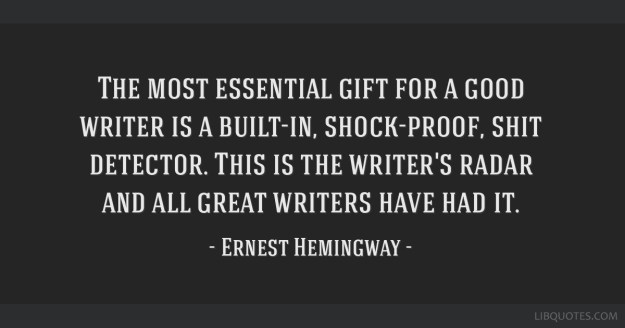
Scepticism is important in journalism because it moves us from merely repeating what people have said, to establishing the factual basis that puts that information into context — whether those facts support or contradict those statements, or do not exist at all.

This has become particularly important in a modern information age when most public bodies can communicate with the public directly, without that accountability.

Scepticism as the voice of the audience

If curiosity represents the journalist acting as the eyes and ears of the audience, scepticism is where we act as the mouth of the audience.

More specifically, it is the way in which we give a voice to an audience which isn’t able to ask questions itself. Continue reading

The DailyMail.com content farm, pride vs cynicism, and 3 things that could happen next

Let's Get Married by Yew Wei Tan

Image by Yew Wei Tan

James King’s account of a year “ripping off the web” at DailyMail.com is the latest in an ongoing drip-drip of uncomfortable revelations about how publishers and broadcasters do their work.

The media may have been the Fourth Estate; but blogs have been performing their role as ‘Estate 4.5′ (as Jane Singer put it) for some time now, opening up publishers, journalists’ and editors’ working practices to public scrutiny on a regular basis.

Two things strike me about King’s account, however.

The Brits are coming

The first is to wonder whether a young UK journalist would ever have written the story that King did. Or, perhaps, why none ever has. Continue reading