Author Archives: Paul Bradshaw

Hillsborough’s ending, and the story it tells for the next generation of journalists

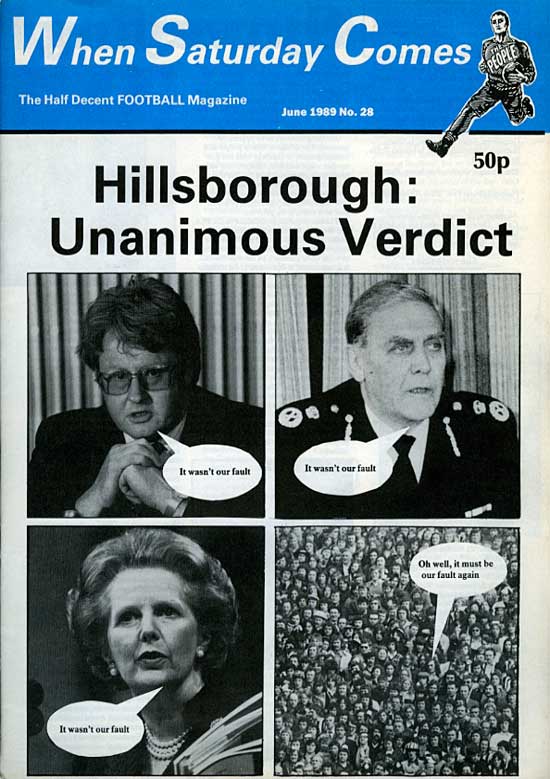
when saturday comes hillsborough front cover

Endings are important: they help us to tell a story that is memorable.

This week’s ending is especially important. For the families of those killed in the Hillsborough disaster it represents something truly incredible: a resolution many never expected to see.

For those of us who teach journalism it represents an important opportunity: to tell that story – and make it memorable – to the next generation of journalists, in the hope that they avoid making the same mistakes. Continue reading

Yes. Yes you can #mrandmrspoole

Previously…

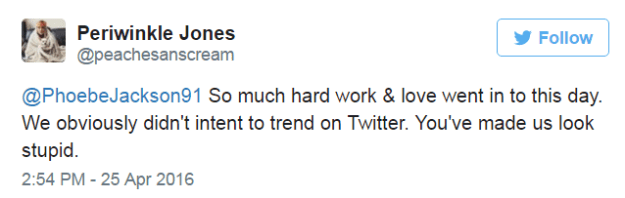
@PhoebeJackson91 So much hard work & love went in to this day. We obviously didn't intent to trend on Twitter. You've made us look stupid.

Meanwhile…

https://twitter.com/sweetheartscene/status/724606716751519745

The end?

What next? How the news media can respond to losing

A road crossing from high up

The infrastructure is complete. Image by Miroslav Petrasko

You can see the future coming.

FAQ: Can print compete with online?

Another in the FAQ series, this one comes from a Bournemouth University student, and largely focuses on print’s future in the wake of the Independent newspaper going online only.

1. What have been the defining factors in the growth of online media? Is it mostly down to convenience, lowered costs or advancing technology?

It depends who you’re referring to and what you mean by ‘defining factors’ – defining in what ways?

For media organisations that existed before the web, it was both an opportunity to access new revenue streams, but more importantly defend against potential new competitors. Continue reading

Cut out the middleman and let Facebook’s algorithms do the firing:

From Julia Greenberg:

“Facebook now tells the industry what matters most, which dictates how resources are spent and what stories are told. Not in a sort of theoretical, hey-this-could-happen-someday kind of way, but a real, look-it’s-happening-all-around-us-already way. When Facebook says it will prioritize video in News Feed, every publisher that can afford to do so builds a video team. When Facebook says it will launch Live, publishers suddenly start streaming live. Facebook is setting the rules, and news organizations are following.”

From Recode:

“Mashable [has] announced that it is firing a large portion of its editorial staff. Additionally, Mashable is pivoting from hard news coverage; it will focus on producing lots more video about “digital culture.” According to Politico and a Mashable editor, 30 people were laid off.”

How to survive a hackday

When done well hackdays can provide a perfect mix of technical experimentation and editorial nous. I regularly organise them with news organisations as part of my MA in Online Journalism; and The Times’s Build The News hackday has become an annual fixture.

So I thought I’d pull together some of the tips I gave to my students before they attended this year’s hackday, plus a few that they have learned themselves. Continue reading

Forget adblockers – one local newspaper site has inspired a ‘content blocker’

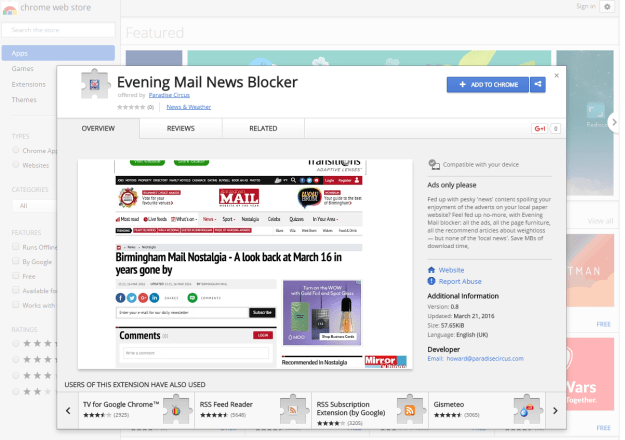
Evening Mail News Blocker Chrome Web Store

The Evening Mail News Blocker is available in the Chrome Web Store

What we need in the adblocking debate is a fresh perspective. Cue Birmingham website Paradise Circus, which has today released a browser extension to get rid of all that pesky journalism slowing down your daily advertising consumption: Continue reading

Beyond Spotlight: 6 more data journalism projects that influenced policy

spotlight data journalism

Brian d’Arcy James plays data journalist Matt Carroll in the movie Spotlight

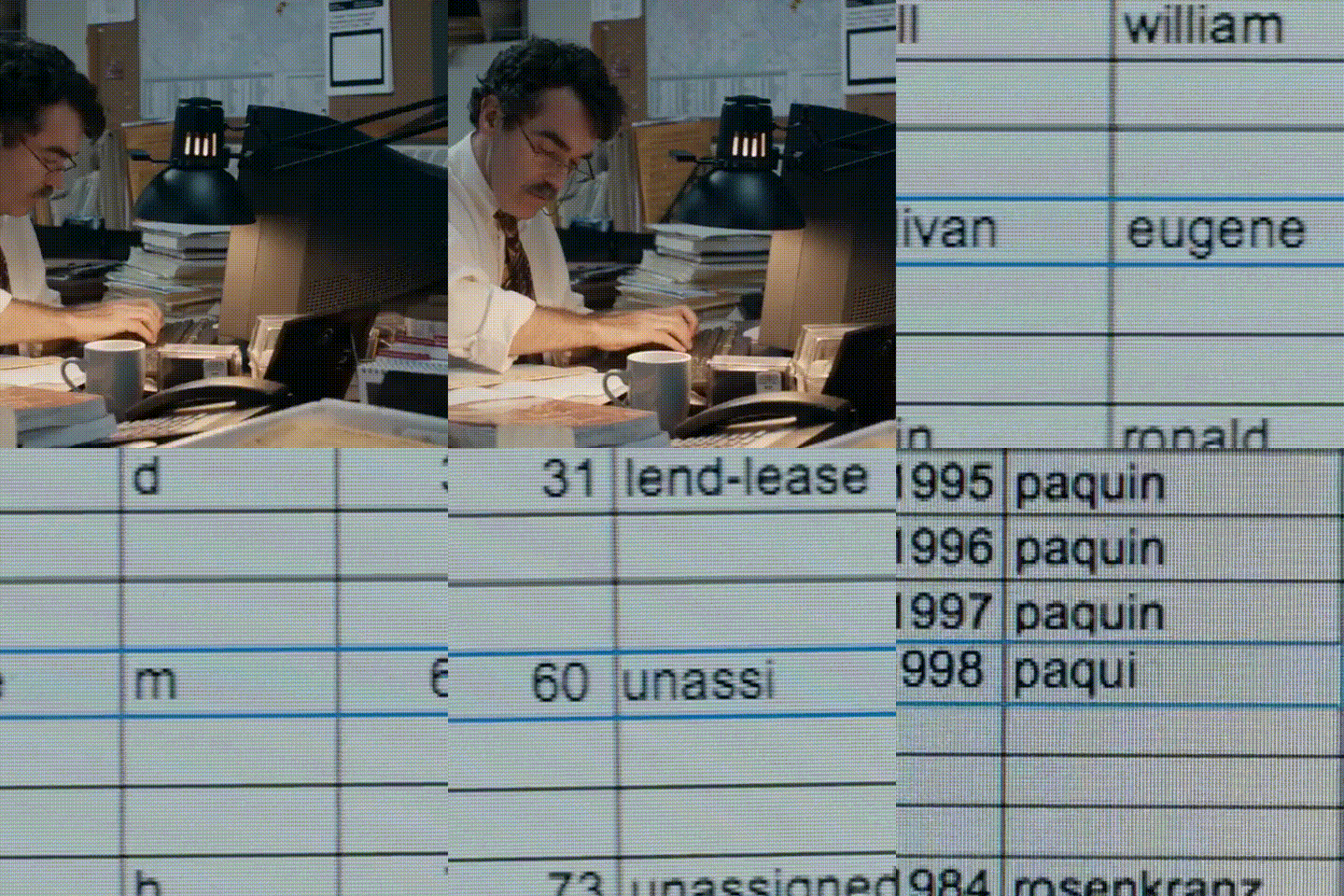
Spotlight won an Oscar for its portrayal of the Boston Globe’s investigation into institutional silence over child abuse, including some old school data journalism by Matt Carroll. But it’s far from the only example of data journalism shaping policy: Anna Noble asked members of the NICAR-L computer assisted reporting forum for five of their own examples (first published here).
Continue reading