Category Archives: generative AI

How to: generate hundreds of maps by combining QGIS with Python (code included!)

At this year’s Dataharvest I delivered a workshop on using Python in QGIS to automate the process of exporting maps for multiple locations. Here’s how to do it (you can find a GitHub repository with materials and links here).

Making a map for a story is cool — but what if you could make a map for every reader? Or if you’re working on a project involving teams in different regions or countries, what if you could give each one of those teams a map centred on their own patch?

Normally you would have to manually move the map to centre it on a key city, and then export an image. Then do it again and again and again for every area.

Luckily, QGIS has the ability to run code. And this is a great excuse to start using it.
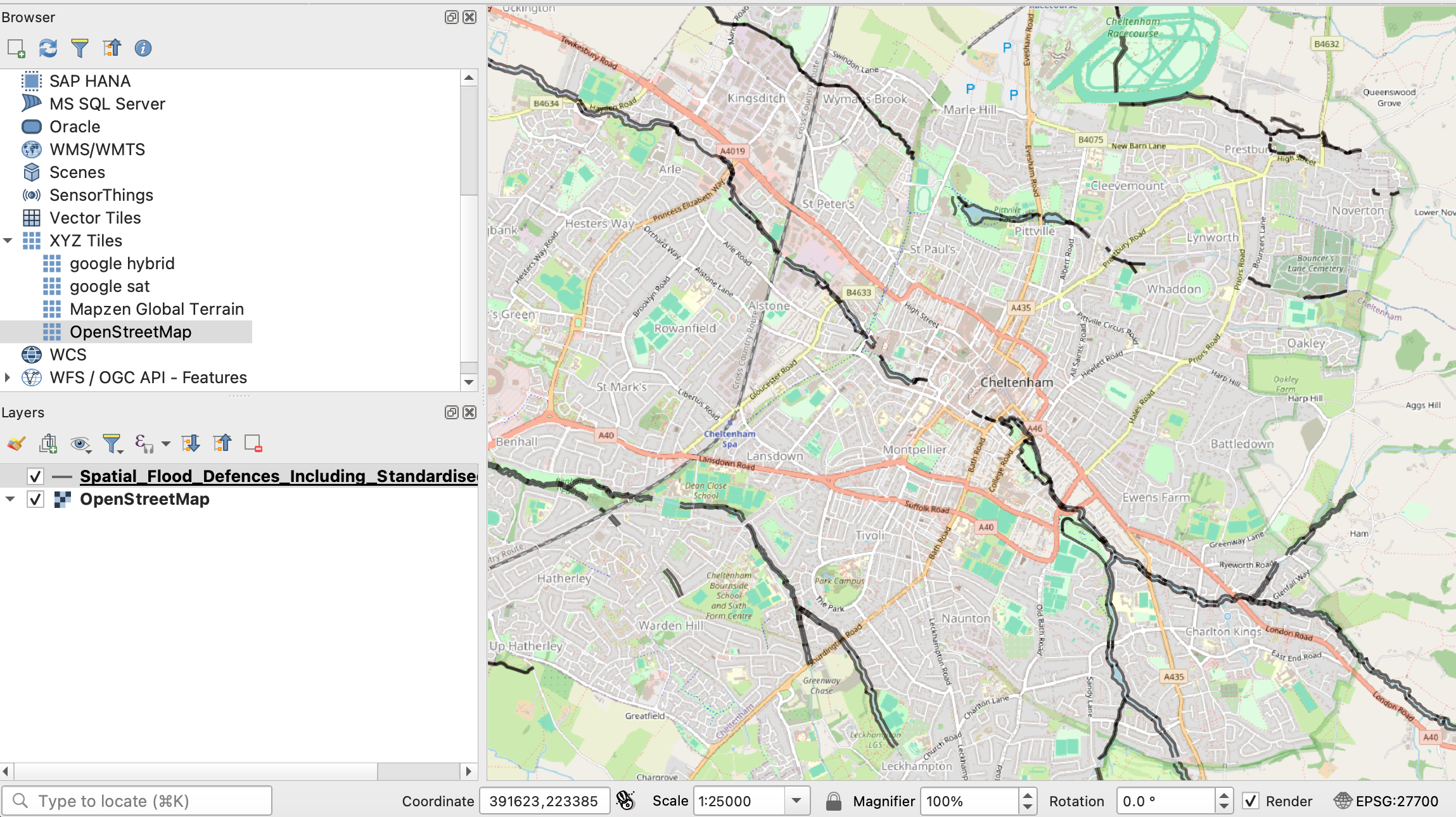
By organising the layers on the left you can put shapes such as flood defences over a base OpenStreetMap layer. You can also change the scale in the box underneath the map
Continue reading

FAQ: How has journalism been transformed?

In the latest FAQ, I’m publishing here answers to some questions from a Turkish PR company (published on LinkedIn here)…

Q: In your view, what has been the most significant transformation in digital journalism in recent years? 

There have been so many major transformations in the last 15 years. Mobile phones in particular have radically transformed both production and consumption — but having been through all those changes, AI feels like a biggest transformation than all the changes that we’ve already been through. 

It’s not just playing a role in transforming the way we produce stories, it’s also involved in major changes around what happens with those stories in terms of how they are distributed, consumed, and even how they are perceived: the rise of AI slop and AI-facilitated misinformation is going to radically accelerate the lack of trust in information (not just the media specifically). I’m being careful to say ‘playing a role’ because of course the technology itself doesn’t do anything: it’s how that technology is designed by people and used by people. 

Continue reading

Using generative AI to help review your reporting: subbing, jargon, brevity and factchecking

Applications of genAI in the journalism process 
Pyramid with the third 'Production' tier highlighted: 

Identify jargon and bias; improve spelling, grammar, structure and brevity

In the fifth of a series of posts from a workshop at the Centre for Investigative Journalism Summer School, I look at using generative AI tools such as ChatGPT and Google Gemini to help with reviewing your work to identify ways it can be improved, from technical tweaks and tightening your writing to identifying jargon.

Having an editor makes you a better writer. At a basic level, an editor is able to look at your work with fresh eyes and without emotional attachment: they will not be reluctant to cut material just because it involved a lot of work, for example.

An editor should also be able to draw on more experience and knowledge — identifying mistakes and clarifying anything that isn’t clear.

But there are good editors, and there are bad editors. There are lazy editors who don’t care about what you’re trying to achieve, and there are editors with great empathy and attention to detail. There are editors who make you a better writer, and those who don’t.

Generative AI can be a bad editor. Ensuring it isn’t requires careful prompting and a focus on ensuring that it’s not just the content that improves, but you as a writer.

Continue reading