Having outlined the range of ways in which artificial intelligence has been applied to journalistic investigations in a previous post, some clear challenges emerge. In this second part of a forthcoming book chapter, I look at those challenges and other themes: from accuracy and bias to resources and explainability.
Investigative journalists have been among the earliest adopters of artificial intelligence in the newsroom, and pioneered some of its most compelling — and award-winning — applications. In this first part of a draft book chapter, I look at the different branches of AI and how they’ve been used in a range of investigations.
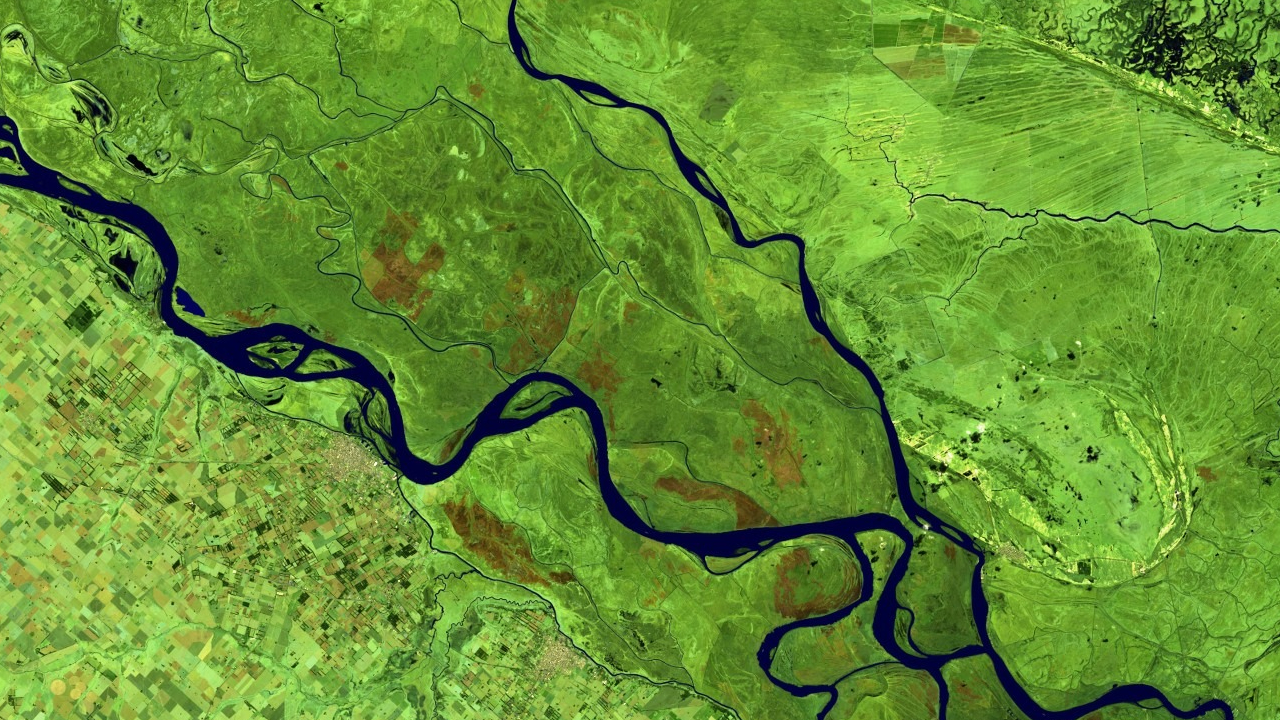
False colour image of the Paraná River near its mouth at the Rio de La Plata, Argentina. Image: Copernicus Sentinel data [2022] processed by Sentinel Hub.
Satellite imagery is increasingly a key asset for journalists. Looking from above often allows us to put a story into context, take a more interesting perspective or show what some power prefers to keep hidden.
But with hundreds of satellites taking thousands of images of the Earth every day, it is difficult to separate the wheat from the chaff. How can we find relevant stories in this ocean of data?


 Online Journalism Blog