One of the most basic sources of story ideas for a journalist is a news diary listing forthcoming newsworthy events. For the journalist looking for ideas in data, having forthcoming data releases in your diary can be especially useful.
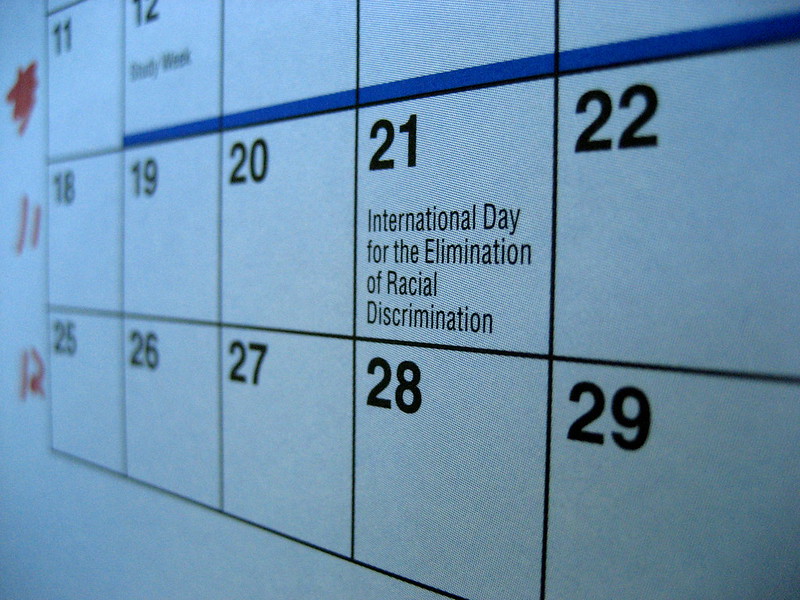
Here is a quick guide preparing your own data news diary.
The database query language SQL pops up in all sorts of places when you’re working with data — especially big data — and can be a very useful way to query data in spreadsheets, APIs and coding. This video, made for students on the MA in Data Journalism at Birmingham City University, explains what SQL is, the different places you will come across it, and how to get started with SQL queries.
Three key terms you might hear used in data journalism circles are “open data“, “linked data” and “big data“. This video, made for students on the MA in Data Journalism at Birmingham City University, explores definitions of the three terms, explains some of the jargon used in relation to them, and the critical and ethical issues to consider in relation to open and big data in particular.
Three other video clips are mentioned in the video, and these are embedded below. First of all, Tim Berners-Lee‘s 2009 call for “raw data now”, where he outlined the potential of open and linked data…
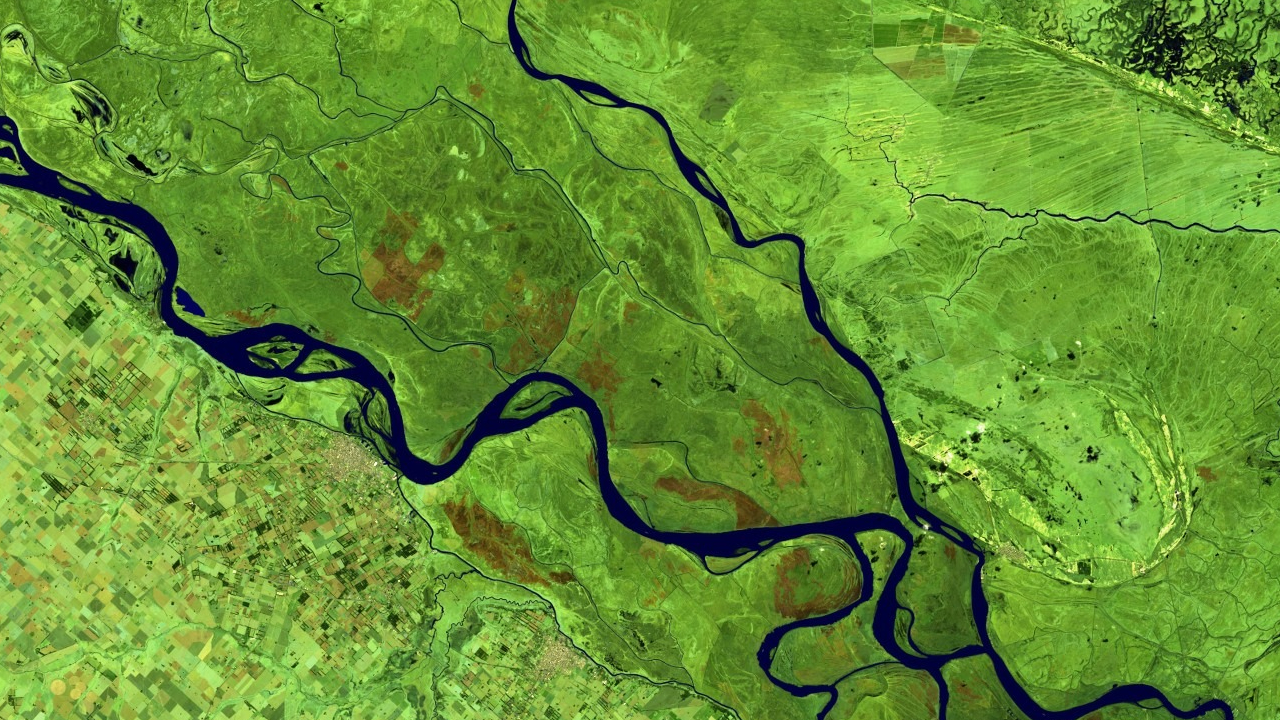
False colour image of the Paraná River near its mouth at the Rio de La Plata, Argentina. Image: Copernicus Sentinel data [2022] processed by Sentinel Hub.
Satellite imagery is increasingly a key asset for journalists. Looking from above often allows us to put a story into context, take a more interesting perspective or show what some power prefers to keep hidden.
But with hundreds of satellites taking thousands of images of the Earth every day, it is difficult to separate the wheat from the chaff. How can we find relevant stories in this ocean of data?
Satellite-driven stories don’t have to use using artificial intelligence (AI) — many can be told using satellite data alone, without. The main advantages of AI include quantifying phenomena, identifying patterns, showing changes or finding a “needle in a haystack” across large territories or different time periods.
AI algorithms can also be used to automate a process: since satellites produce recurring data, you can build, for example, a platform that automatically detects changes in the size of forests.
Paul Bradshaw’s framework for data journalism angles recognises eight types of stories: scale, change, ranking, variation, exploration, exploration, relationships, stories about data and stories through data. The same framework can be adopted to generate ideas for satellite journalism, too.
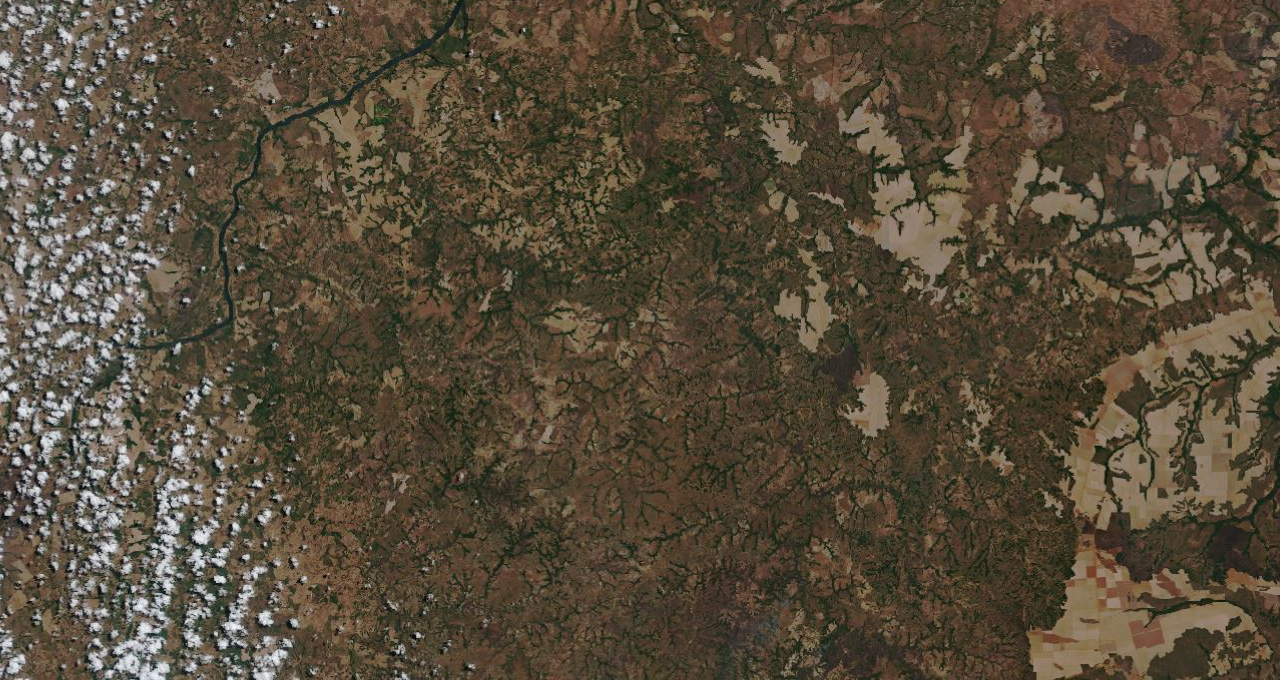
Satellite image of the Amazon. Tocantins, Brazil. Source: Copernicus Sentinel data [2022] processed by Sentinel Hub, using Highlight Optimized Natural Color.
In the first of two guest posts for OJB, first published on ML Satellites, MA Data Journalism student Federico Acosta Rainis explains how to get started with satellite journalism — and avoid common pitfalls.
Working with satellite imagery and AI models takes time and patience. There is no general rule: you have to find the right model for each case, in a process of trial and error, while crunching large amounts of data.
That is why the advice of Anatoly Bondarenko, data editor of Texty, is crucial:
Transmedia storytelling is the process of telling a story across multiple platforms. Henry Jenkinscoined the term when he noticed how different stories from a single ‘story world’ were being distributed between films, animated shorts, comic books and games. But the same principle has been applied to news reporting where different information about a news event might be reported on Twitter, Facebook Live, radio broadcasts and a dedicated news website.
In this video, made for students on the MA in Data Journalism and the MA in Multiplatform and Mobile Journalism at Birmingham City University, I explain how transmedia is different to simple multiplatform or multimedia publishing; the news situations where a transmedia approach might be appropriate for journalists; and tips in planning a transmedia news project.
Some of the best interactive storytelling involves the use of JavaScript — what has sometimes been called “JavaScript Journalism“. This video, made for students on the MA in Data Journalism at Birmingham City University, explains what JavaScript journalism is, the story formats that are often created with JavaScript, some useful JavaScript libraries, and how to get started.
Interactive storytelling can be a tricky thing to plan for. This video, made for students on the MA in Data Journalism at Birmingham City University, explores different genres of interactivity — from quizzes and image maps to ‘choose your own adventure’ interactives and newsgames — and the different considerations when planning a story within each of those genres. You can find a related video on concepts of interactivity here.
The video refers to a number of examples — you can find links to those below.
When people talk about interactivity they don’t necessarily mean one thing. This video, made for students on the MA in Data Journalism and the MA in Multiplatform and Mobile Journalism at Birmingham City University, explores some of the different elements of interactivity identified by research, and how a knowledge of these can help you think more critically and creatively about incorporating interactivity into your journalism. (A future video looks at genres of interactivity).
The video refers to a number of examples — you can find links to those below.


 Online Journalism Blog