
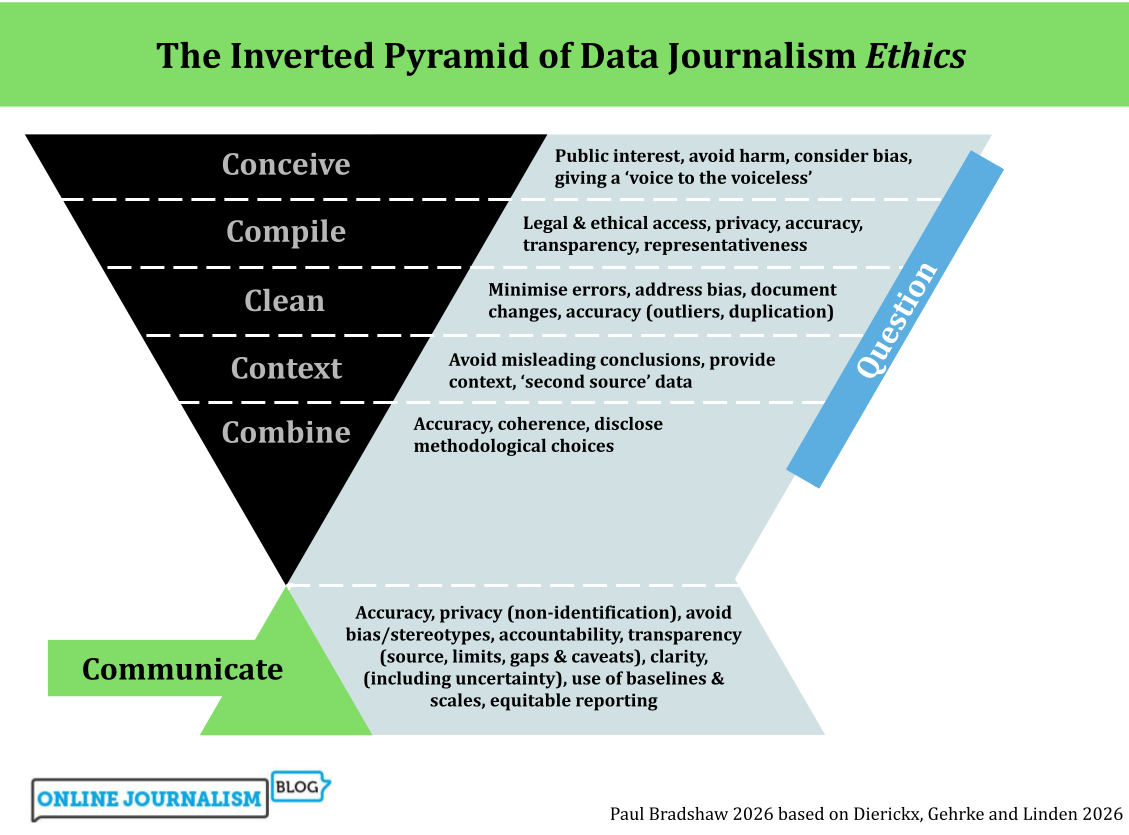
Here’s a version of the inverted pyramid of data journalism that shows ethical considerations at each stage, thanks to the research of Laurence Dierickx, Marilia Gehrke and Carl-Gustav Linden which I blogged about yesterday.
The research maps the stages of the pyramid of data journalism to different categories and ethical justifications.
I’ve also added some others.
Privacy, for example, is listed in the research in relation to compiling data, but it is also a (potentially bigger) concern in communication: for example you might choose to use a heatmap instead of a points map to avoid identifying individuals, so in my diagram I’ve included privacy in both.
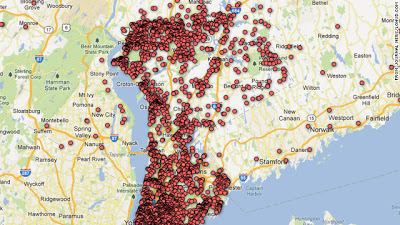
I’ve also included mentioned uncertainty in communication, as this is a major issue in data visualisation and journalism more generally.
Verification is listed in the research in relation to the compile stage, but it might also be one of the reasons for combining data or putting it into context: both stages might involve checking data against a second source.
Cleaning also often involves checking for outliers that may have been misentered, and duplication
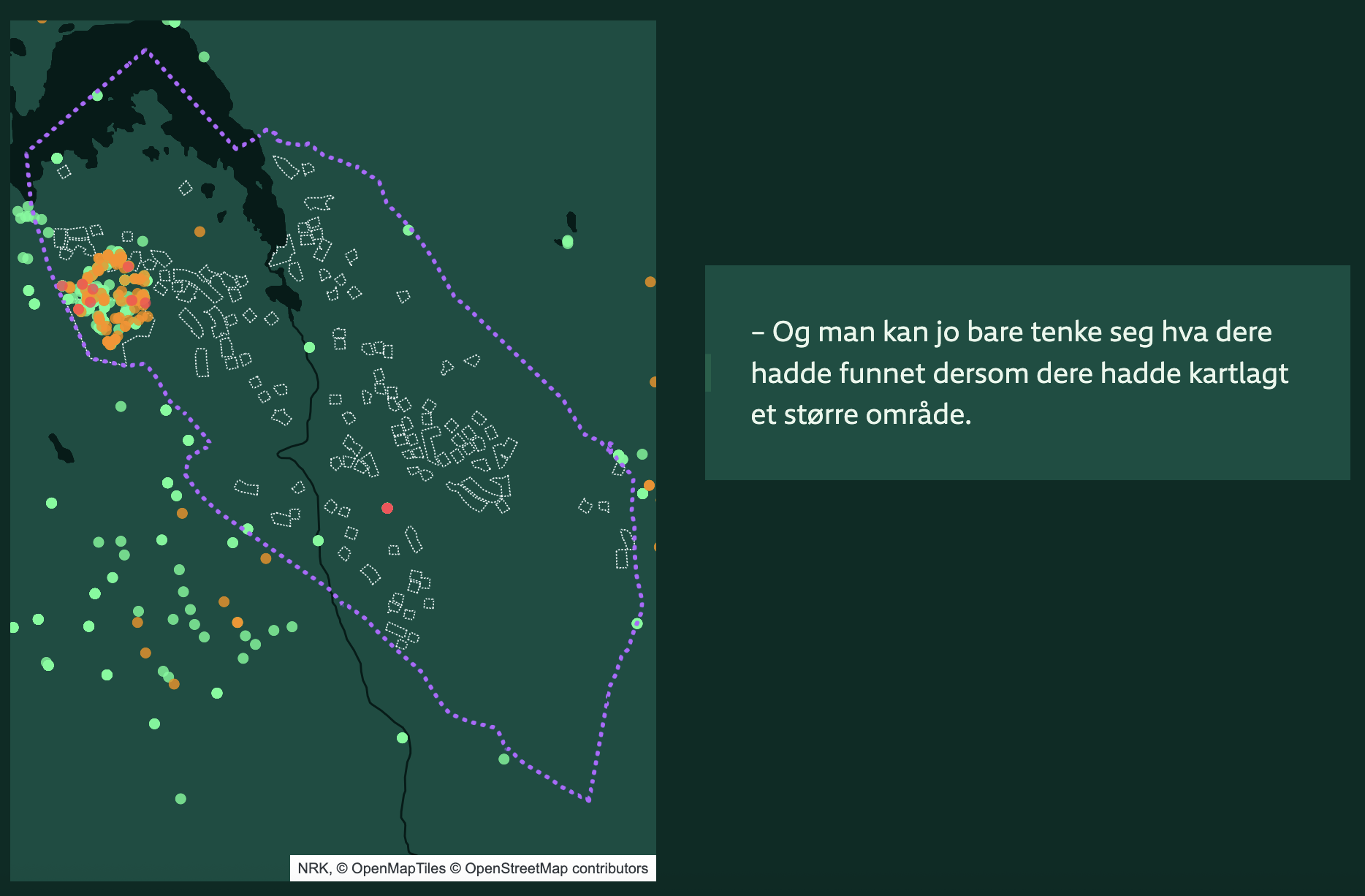
Finally at the conceive stage I’ve added the ethical consideration of ‘voice to the voiceless‘, i.e. not generating ideas solely from what data already exists, but considering what data is not being recorded or published (including missing categories).
A lack of data may provide ideas for compiling new data — as in projects like Femicide Kenya, Netra News’s Body Count and NRK’s De tomme kartene (The blank maps) — or shining a spotlight on its absence, as in the BBC and Guardian’s reports on the failure to record ethnicity of missing people and referrals to counter-extremism programmes.
Have I missed anything?
It’s likely there are other ethical considerations that haven’t been listed here, so please let me know if I’ve missed any out. Use the comments below or contact me on LinkedIn.
You can read more in the series of blog posts adapted from my book chapter on ethics in data journalism.

