Category Archives: online journalism

My latest data journalism ebook is now finished

Data journalism book Stories with SpreadsheetsMy third data journalism ebook, Finding Stories With Spreadsheets, is now finished. It’s a book which covers a wide range of spreadsheet techniques from basic calculations like proportions through to techniques for merging datasets, looking for errors and working with dates.

I’ve tried to cover all the functions used most commonly within data journalism, including some specific to Google Sheets, but if you know of any that aren’t mentioned, or have a problem which isn’t solved by the book, I’d love to know.

Likewise, many chapters have sample datasets to try the techniques out, but I’m always on the lookout for particularly illustrative datasets or examples.

I’ll continue to add to and update the book (one of the reasons I publish with Leanpub) as I come across new techniques and examples. Let me know if you want me to add anything.
What I learned at Jan Willem Tulp’s workshop at Tutki! 2016/NODA16

Jan Willem Tulp

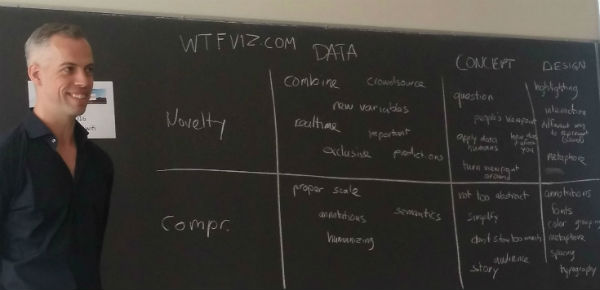
Jan Willem Tulp’s workshop

In a guest post first published on her blog, Maria Crosas Batista sums up the key takeaways from a session at the Nordic investigative journalism conference Tutki! 2016 by Jan Willem Tulp, the data experience designer behind Tulp Interactive.

Continue reading

Hillsborough’s ending, and the story it tells for the next generation of journalists

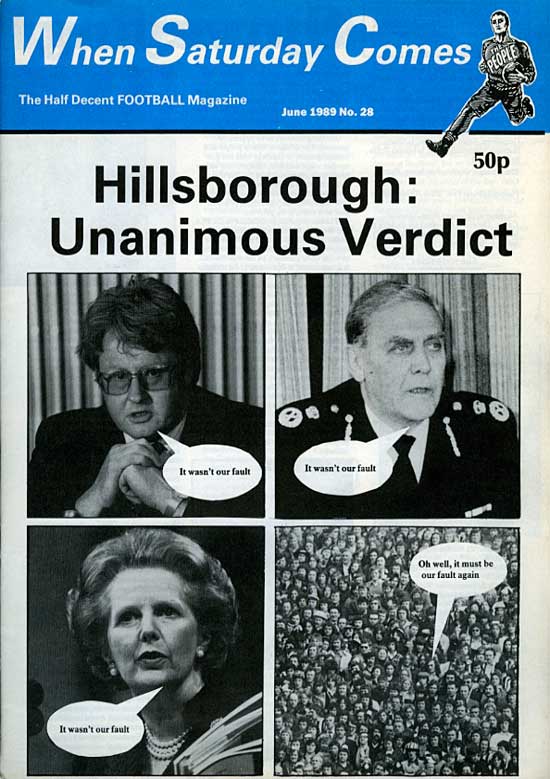
when saturday comes hillsborough front cover

Endings are important: they help us to tell a story that is memorable.

This week’s ending is especially important. For the families of those killed in the Hillsborough disaster it represents something truly incredible: a resolution many never expected to see.

For those of us who teach journalism it represents an important opportunity: to tell that story – and make it memorable – to the next generation of journalists, in the hope that they avoid making the same mistakes. Continue reading

Yes. Yes you can #mrandmrspoole

Previously…

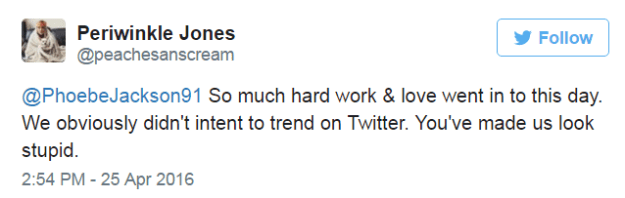
@PhoebeJackson91 So much hard work & love went in to this day. We obviously didn't intent to trend on Twitter. You've made us look stupid.

Meanwhile…

https://twitter.com/sweetheartscene/status/724606716751519745

The end?

What next? How the news media can respond to losing

A road crossing from high up

The infrastructure is complete. Image by Miroslav Petrasko

You can see the future coming.

Cut out the middleman and let Facebook’s algorithms do the firing:

From Julia Greenberg:

“Facebook now tells the industry what matters most, which dictates how resources are spent and what stories are told. Not in a sort of theoretical, hey-this-could-happen-someday kind of way, but a real, look-it’s-happening-all-around-us-already way. When Facebook says it will prioritize video in News Feed, every publisher that can afford to do so builds a video team. When Facebook says it will launch Live, publishers suddenly start streaming live. Facebook is setting the rules, and news organizations are following.”

From Recode:

“Mashable [has] announced that it is firing a large portion of its editorial staff. Additionally, Mashable is pivoting from hard news coverage; it will focus on producing lots more video about “digital culture.” According to Politico and a Mashable editor, 30 people were laid off.”

How to survive a hackday

When done well hackdays can provide a perfect mix of technical experimentation and editorial nous. I regularly organise them with news organisations as part of my MA in Online Journalism; and The Times’s Build The News hackday has become an annual fixture.

So I thought I’d pull together some of the tips I gave to my students before they attended this year’s hackday, plus a few that they have learned themselves. Continue reading

Podcasting and money in the UK

In a guest post for OJB first published on his blog, broadcaster Joe Norman explores the UK market for podcasting.

Over the past few weeks I’ve found myself questioning whether — in the UK in particular — it is possible to make money from podcasting.

The bigger productions seem to be an add-on to radio programmes, heavily reliant on content produced — presumably — using on-air budgets.

Many of the others appear, on the face of it, to be labours of love with some sponsorship that may cover cost. Continue reading