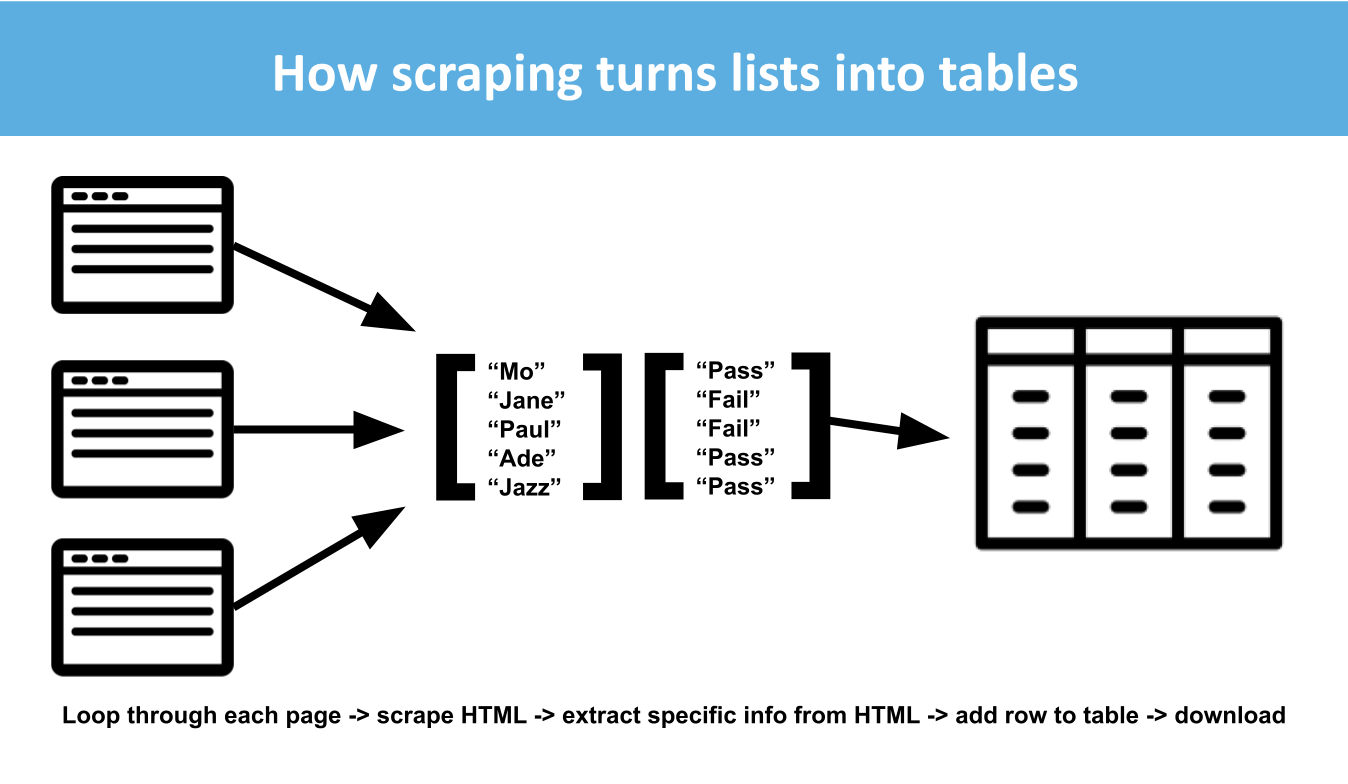
Python is an extremely powerful language for journalists who want to scrape information from online sources. This series of videos, made for students on the MA in Data Journalism at Birmingham City University, explains some core concepts to get started in Python, how to use Colab notebooks within Google Drive, and introduces some code to get started with scraping.
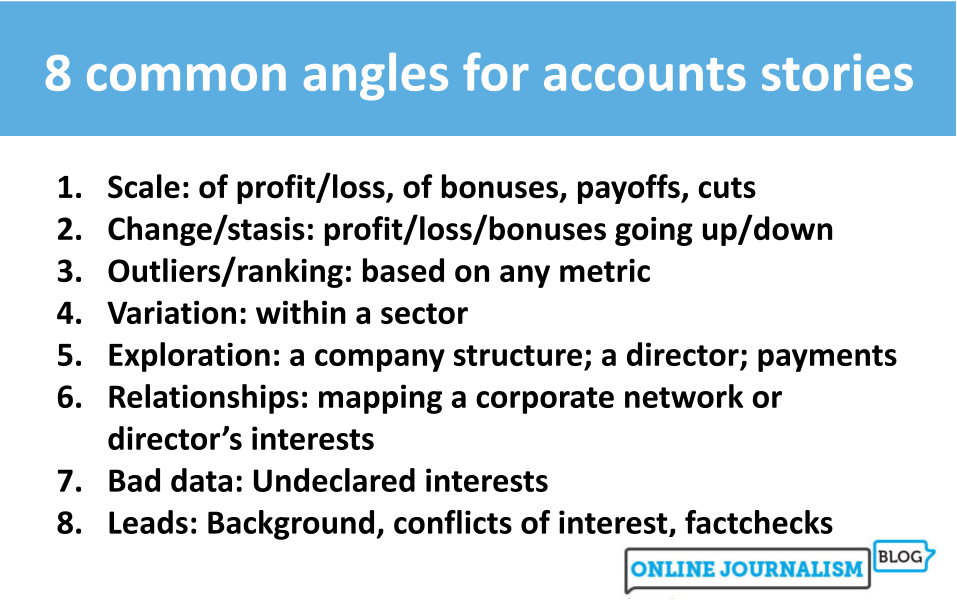
A couple of years ago I mapped out eight common angles for identifying stories in data. It turns out that the same framework is useful for finding stories in company accounts, too — but not only that: the angles also map neatly onto three broad techniques.
In this post I’ll go through each of the three techniques — looking at cash flow statements; compiling data from multiple accounts; and tracing people and connections — and explain how they can be used to get stories, with examples of articles that have used those techniques successfully.
🔦 9 способов найти историю в финансовых отчётах компаний@paulbradshaw вместе со своими студентами собрал примеры, в которых чтение нужной страницы отчёта помогло быстро подготовить действительно интересный расследовательский материал👇 https://t.co/YKwvdkJxzh
— GIJN – Глобальная сеть журналистов-расследователей (@gijnRu) February 1, 2023
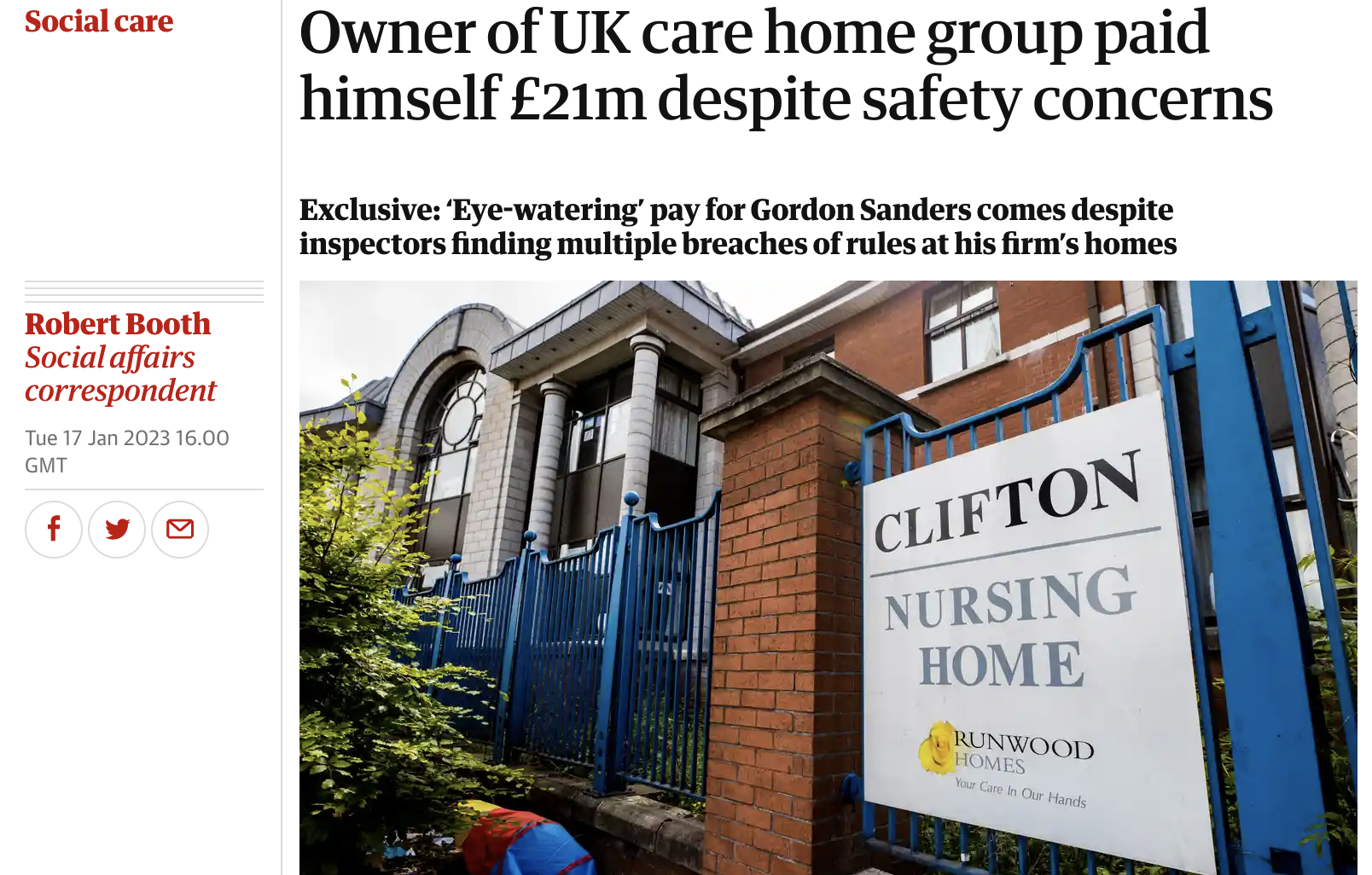
🧵 It’s time for another roller-coaster thread digging into how one journalist has used company accounts* to get a great story. This time it's a front page story by @Robert_Boothhttps://t.co/yFi4qH5IBJ *Featuring: other useful open sources
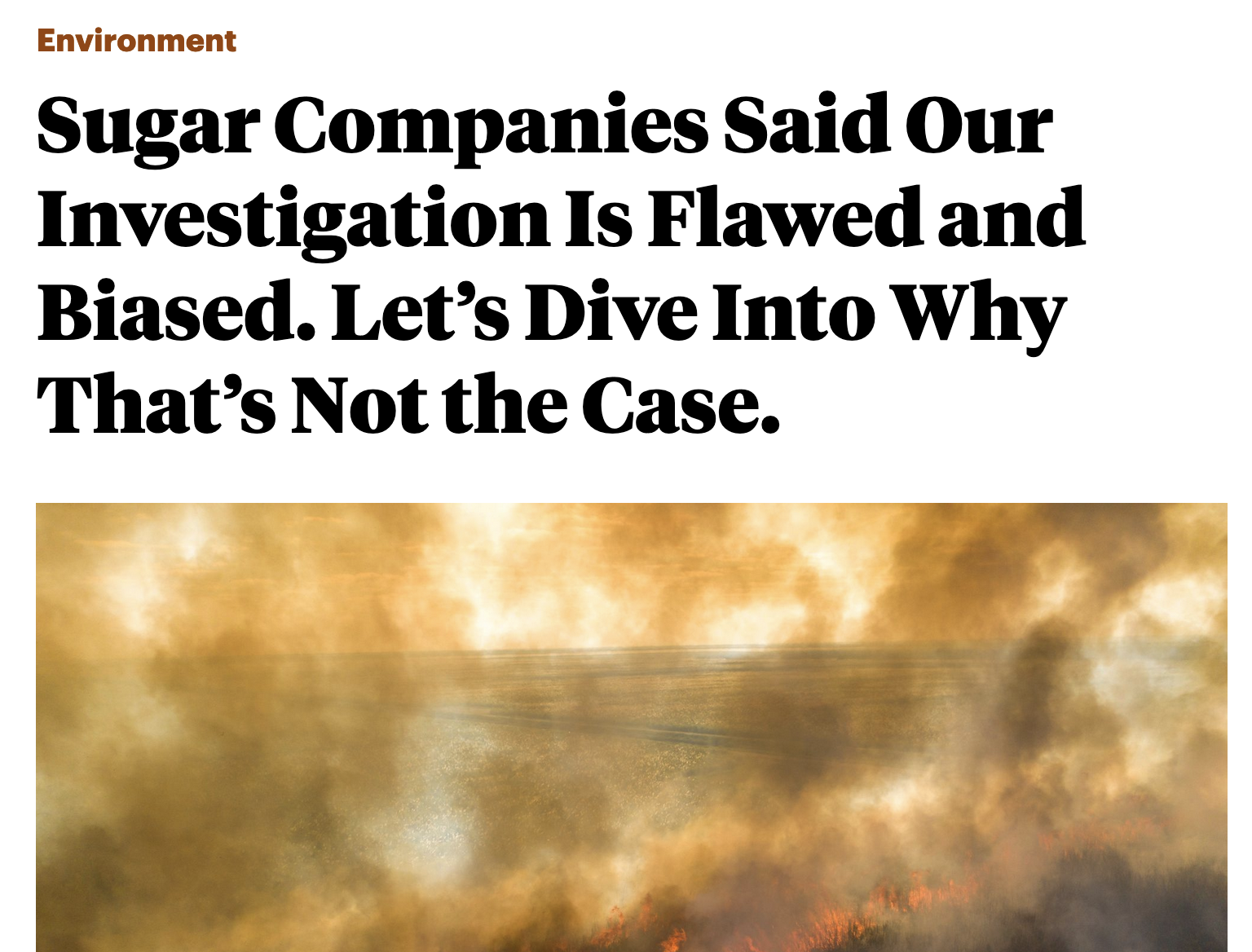
In the summer of last year ProPublica published a major investigation into air pollution in Florida, and its connection to the sugar industry. The story itself, Black Snow, is an inspiring example of scrollytelling — but equally instructive is the methodology article which accompanies it, responding to criticisms from the sugar industry.
Not only does it demonstrate how to respond when large organisations attack a piece of journalism — it also provides a great lesson on the tactics that are adopted by organisations when attacking data-driven stories.
In this post I want to break down the three most common attack tactics, how ProPublica deal with two of those, and how to use the same tactics during planning to ensure your project design isn’t flawed.
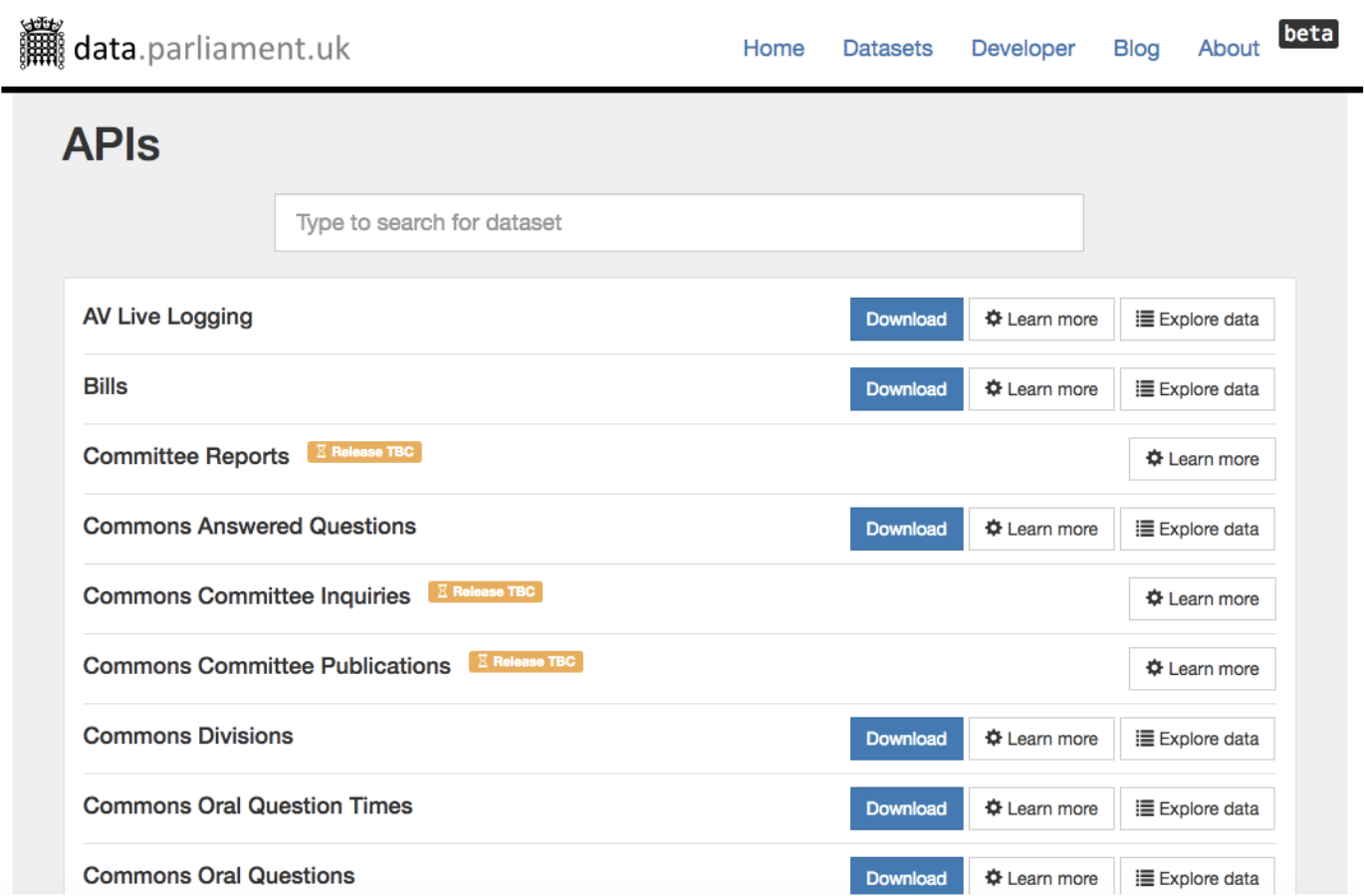
The article explains what APIs are and how they differ from other data sources; the basic principles of how they work and how they can be used for stories; some of the jargon to expect — and where to find them. Read the article here.
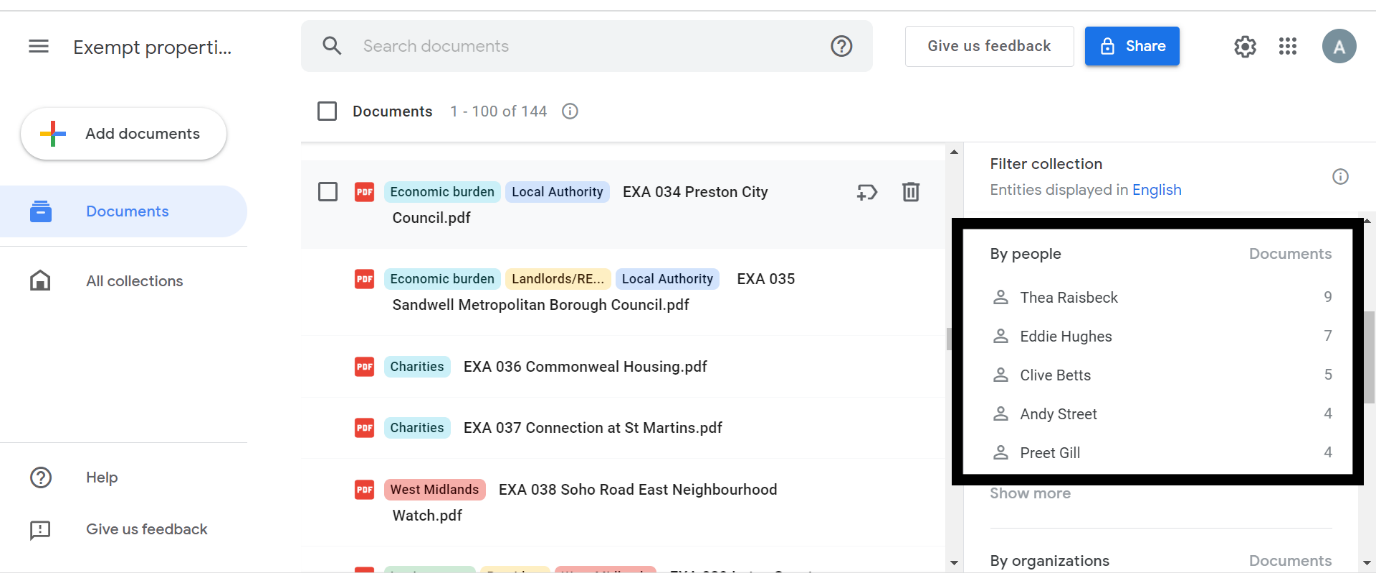
Pinpoint creates a ranking of people, organisations, and locations with the number of times they are mentioned on your uploaded documents.
MA Data Journalism student Tony Jarne spent eight months investigating exempt accommodation, collecting hundreds of documents, audio and video recordings along the way. To manage all this information, he turned to Google’s free tool Pinpoint. In a special guest post for OJB, he explains how it should be an essential part of any journalist’s toolkit.
The use of exempt accommodation — a type of housing for vulnerable people — has rocketed in recent years.
At the end of December, a select committee was set up in Parliament to look into the issue. The select committee opened a deadline, and anyone who wished to do so could submit written evidence.
Organisations, local authorities and citizens submitted more than 125 pieces of written evidence to be taken into account by the committee. Some are only one page — others are 25 pages long.
In addition to the written evidence, I had various reports, news articles, Land Registry titles an company accounts downloaded from Companies House.
I needed a tool to organise all the documentation. I needed Pinpoint.
The database query language SQL pops up in all sorts of places when you’re working with data — especially big data — and can be a very useful way to query data in spreadsheets, APIs and coding. This video, made for students on the MA in Data Journalism at Birmingham City University, explains what SQL is, the different places you will come across it, and how to get started with SQL queries.
Three key terms you might hear used in data journalism circles are “open data“, “linked data” and “big data“. This video, made for students on the MA in Data Journalism at Birmingham City University, explores definitions of the three terms, explains some of the jargon used in relation to them, and the critical and ethical issues to consider in relation to open and big data in particular.
Three other video clips are mentioned in the video, and these are embedded below. First of all, Tim Berners-Lee‘s 2009 call for “raw data now”, where he outlined the potential of open and linked data…
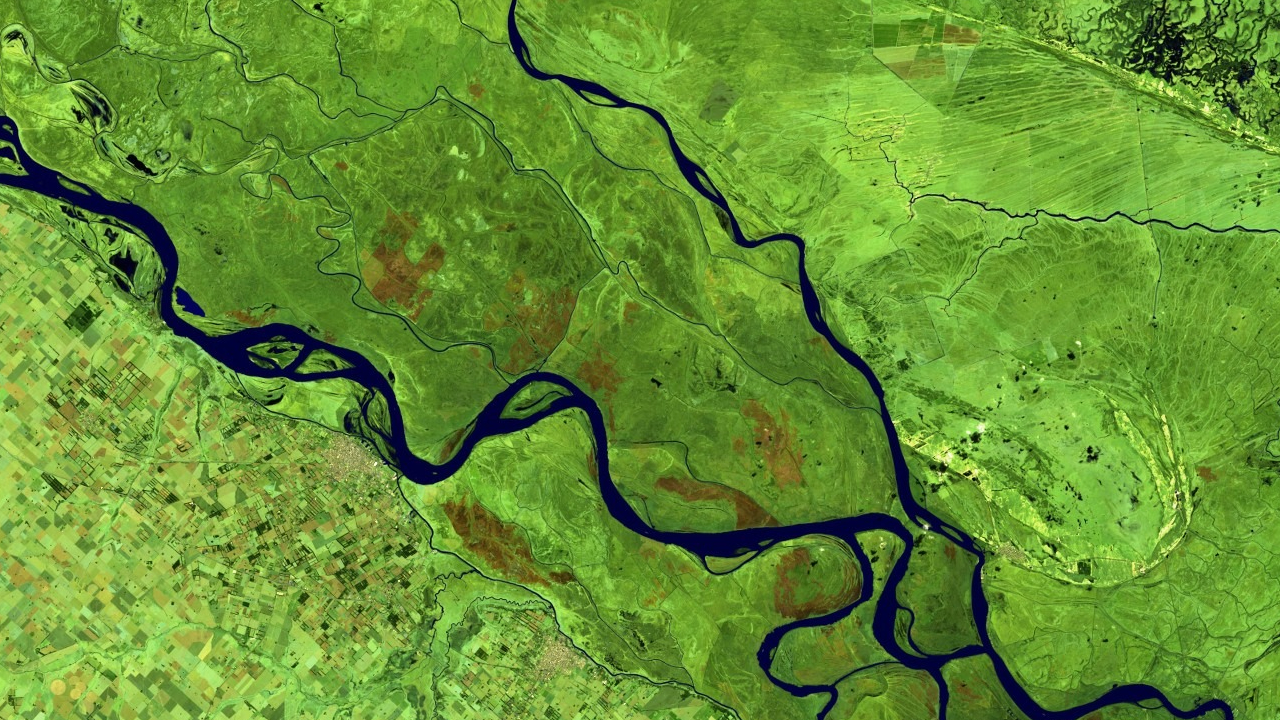
False colour image of the Paraná River near its mouth at the Rio de La Plata, Argentina. Image: Copernicus Sentinel data [2022] processed by Sentinel Hub.
Satellite imagery is increasingly a key asset for journalists. Looking from above often allows us to put a story into context, take a more interesting perspective or show what some power prefers to keep hidden.
But with hundreds of satellites taking thousands of images of the Earth every day, it is difficult to separate the wheat from the chaff. How can we find relevant stories in this ocean of data?

 Online Journalism Blog