Category Archives: online journalism

Bad data PR: how the NSPCC sunk to a new low in data churnalism

One of the oldest forms of data churnalism is the dodgy poll. Typically used by holiday firms to invent the saddest day of the year, or by property websites to find the happiest places to live you can sometimes excuse journalists for playing along. It’s only a bit of fun, right?

But when the dodgy poll is done with children and relates to porn and sexually explicit videos, you’d expect journalists to exercise a little scepticism.

Unfortunately, when the NSPCC sent out a press release saying that one in ten 12-13 year olds are worried that they are addicted to porn and 12% have participated in sexually explicit videos, dozens of journalists appear to have simply played along – despite there being no report and little explanation of where the figures came from.

Articles on the NSPCC dodgy poll

Dozens of news websites repeated the NSPCC’s claims about porn addiction in children

Only Vice magazine decided to ask questions of the stats. And this is what they found: Continue reading

How to liveblog a TV debate: lessons from #leadersdebate 

frontpages

Newspaper front pages the morning after the leaders debate. Most newspapers also liveblogged the debate on their websites.


Last night saw the leaders of 7 political parties in the UK debate live on TV. But part and parcel of such a debate these days is the ‘second screen’ journalism of liveblogging. In this post I look at how different news organisations approached their own liveblogs, and what you can take from that if you plan to liveblog a debate in the future (for example this one). Continue reading

FAQ: Crowdsourcing, social media and investigative journalism

Another set of answers in response to questions from a student, as part of the FAQ series. This time, all about crowdsourcing and social media and their impact on investigative journalism.

1. Is ‘crowdsourcing’ good or bad for investigative journalism? Why?

Like most innovations facilitated by the internet, I’d say crowdsourcing offers both new opportunities and new challenges to journalists, including investigative journalists. Continue reading

YouTube advice from Anna Gardner, Lily Pebbles and Hannah Witton (and tips playlist)

youtubers Hannah Witton, Lilly Pebbles, Anna Gardner

YouTubers: L-R: Anna Gardner, Lily Pebbles and Hannah Witton

The highlight of this week’s Rethink Media conference in Birmingham was undoubtedly the panel on YouTube, chaired by Hannah Witton with Anna Gardner and Lily Pebbles.

It was very much in the YouTube genre: a breezy and chatty affair which managed to sneak in mentions of MCNs and CPMs alongside references to the importance of being unique and personal.

Keep doing it – for years

Dedication and persistence was very much a recurring piece of advice from all three panelists. “There is no magic formula, just be consistent,” said Lily Pebbles. “Don’t take your foot off the pedal.” Continue reading

Now a police force is using Buzzfeed to publicise odd FOI requests

Two years ago the newspaper group Local World received a lot of attention over their decision to allow local councillors, police forces and others publish directly on their site.

And one year ago Torbay Police hailed the “historic moment” as they published their own story to the local news website, a moment which the Chartered Institute of Journalists condemned as “wholly unacceptable” and Dominic Ponsford critiqued in some detail.

https://twitter.com/SgtSheps/statuses/444135359979724800

But why bother going through the local press when you can publish on Buzzfeed? Continue reading

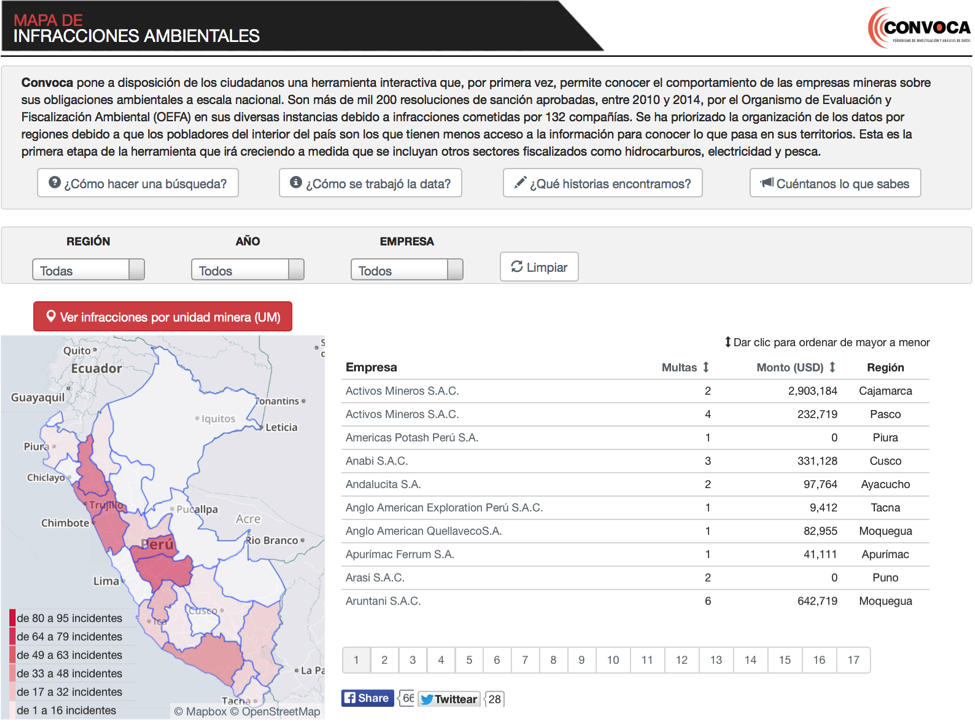
Data journalism in Peru: Convoca is “not just investigative, but educational”

Convoca's Aramis Castro

Convoca’s Aramis Castro

After being involved in covering the Swiss Leaks scandal, Peruvian data journalism project Convoca is about to publish its first investigations, reports Antia Geada.

The team formed in September 2014 when a group of Peruvian journalists decided to join forces in order to promote investigative journalism.

HSBC screenshot

Led by Milagros Salazar, a pioneer in using data analysis for investigative reporting in South America, Convoca combines traditional in-depth reporting with data journalism and other new technologies to cover public interest stories. Continue reading

What does the Twitter live streaming app Meerkat actually do?

Hansel. So hot right now.

Meerkat is, in Zoolander-speak, so hot right now. The Twitter live streaming app has been picking up thousands of users all week, with media coverage to match.

So why all the fuss? It’s hard to say. Technically Meerkat doesn’t break any new ground: Twitcasting (an app I’ve always particularly liked) has been around since 2010 and has gained particular popularity in Japan, while Twitcam has been around even longer.

For the past week I’ve been playing with the app and get a feel for its strengths and weaknesses. Below is a video summing up some of my impressions so far – and also showing what a streamed video looks like when you save it and upload it to the web (with some added YouTube annotations). Continue reading

The DailyMail.com content farm, pride vs cynicism, and 3 things that could happen next

Let's Get Married by Yew Wei Tan

Image by Yew Wei Tan

James King’s account of a year “ripping off the web” at DailyMail.com is the latest in an ongoing drip-drip of uncomfortable revelations about how publishers and broadcasters do their work.

The media may have been the Fourth Estate; but blogs have been performing their role as ‘Estate 4.5′ (as Jane Singer put it) for some time now, opening up publishers, journalists’ and editors’ working practices to public scrutiny on a regular basis.

Two things strike me about King’s account, however.

The Brits are coming

The first is to wonder whether a young UK journalist would ever have written the story that King did. Or, perhaps, why none ever has. Continue reading

Create your own Instagram/Facebook/Twitter API with Google Drive and IFTTT

Skateboarding images

My Birmingham City University colleague Nick Moreton has a neat little hack for connecting a JavaScript app to social media accounts by combining the automation tool IFTTT, and Google Drive. As he explains:

“Most of the big web apps provide their API in JSON format (Facebook, Twitter, Instagram) however, as you may know if you’ve ever tried to use these, they often require an OAuth login in order to access the API.”

Continue reading