“It’s black and white to colour”: Ben Fry on data visualisation’s past and future

Ben-Fry-visualization

Ben Fry published his book Visualizing Data in 2007, before the term ‘data journalism’ had entered the professional vocabulary. Since then, Fry has been developing Processing, an open source “language for learning how to code within the context of the visual arts”, and he is a principal at Fathom, a Boston design and software consultancy which has created visualisation projects for National Geographic; Bill, Hillary & Chelsea Clinton Foundation and Bill & Melinda Gates Foundation

Catalina George asked him a few questions about his current work and his advice to aspiring data journalists.

Visualisation, a reinvented tool

World-eats-visualization-Fathom

For a better view of the world calories consumption, the user can see how much this differs from China to the UK @Fathom

One of your Fathom projects was a data visualisation for National Geographic’s What the World Eats”. The graphic part can play a great role to enrich our perception and understanding of reality. But what does the development of visualisation mean for journalism?

I think what’s called “visualisation” has been around a long time for journalism. Otto Neurath was doing this in the 1920s. I think it’s been receiving more attention in recent years because we have the means to more easily distribute interactive works, which is a boon for more sophisticated takes on data. Continue reading
Come help dig into data on football agents – and eat pizza

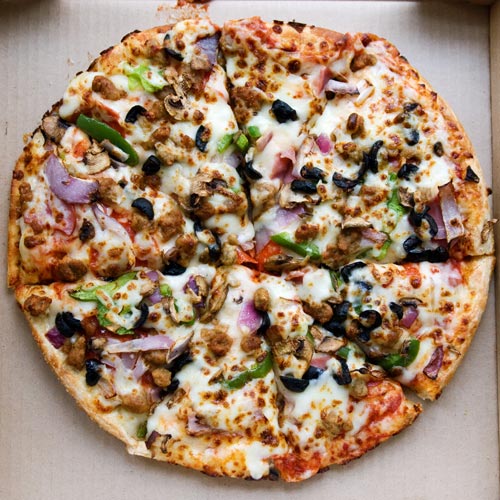
Pizza

Pizzas and footballs are both round. That’s enough justification for us. Image: Adam Kuban

Next Friday (November 13) I’ll be holding a day full of activities in Birmingham for anyone interested in digging into the world of football agents.

You won’t need any special skills – you can take part by doing basic internet searches, or you can bring your data journalism mojo and play with the data we’ve already gathered.

And we’ll also have people on hand to show you a range of useful techniques if you’re interested.

The special hackday is part of an investigation I’m doing, and we’re also working with OpenCorporates as part of their #FlashHacks series to build open data on football agents, identifying the biggest operators and their ownership structures.

If you can’t make it for the whole day feel free to drop in for part of it. Oh, and there’ll be pizza, stickers and t-shirts.

You can sign up and find more details about location and timings here.

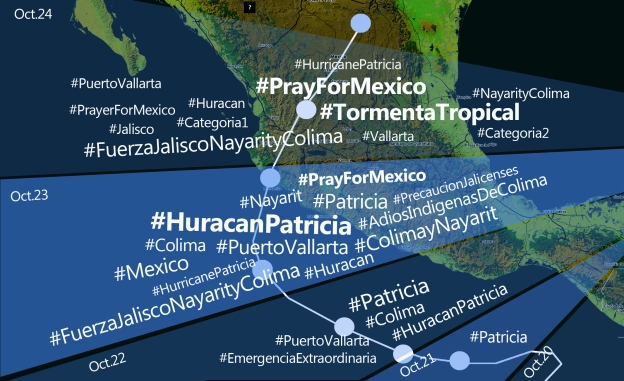
The passing of Hurricane Patricia through Mexico – as told by hashtags

#Patricia started shyly trending in Mexico on Wednesday, October 21st, when it was simply one more tropical storm in the 2015 Pacific hurricane season.

By the end of the day it was 49th on the list of Twitter trending topics among Mexican users – who like many people around the world were busy celebrating #BackToTheFutureDay.

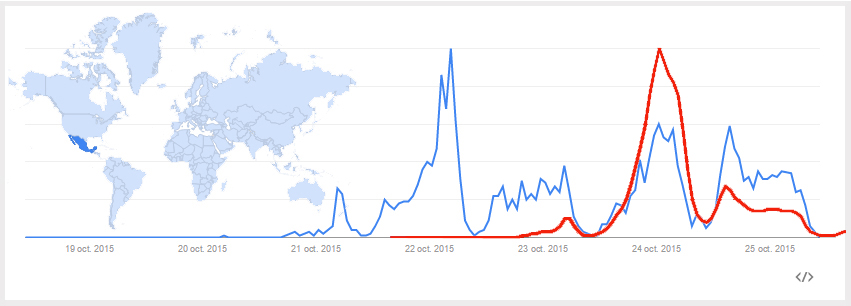
In the days that followed, however, the storm evolved into a terrifying category 5 hurricane that hit Mexico late on Friday, October 23, generating all kinds of interest, as the following graph from Google Trends shows:

hurricane patricia google trends - Spanish

Google search for terms linked to Patricia in Spanish: tropical storm (blue) and hurricane (red). Info: Google Trends.

These are some of the highlights of what happened on social media during the hurricane days: Continue reading

17 takeaways on mobile publishing from Monetising Media 2015

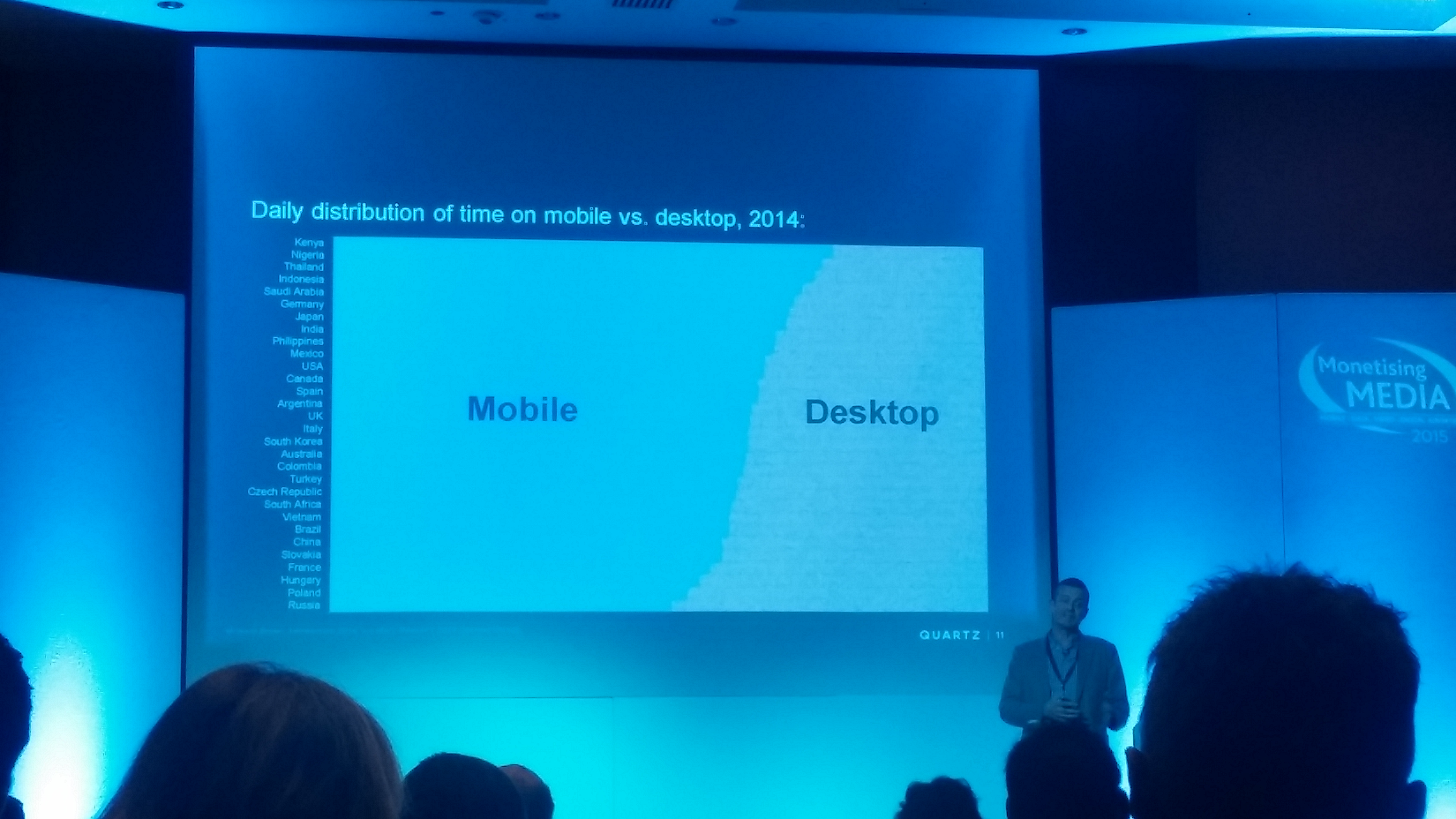
mobile desktop timeHow do you reach an audience which is consuming more content on mobile than desktop – and at different schedules to the traditional print model? At Monetising Media last week industry leaders shared their concerns and strategies for succeeding on mobile without losing quality and content. Maria Crosas Batista sums up some of the key takeaways:

Product rather than platform: Lee Wilkinson, Hearst Magazines International

Lee Wilkinson bets on product rather than platform:

“If your audience is the core of a product strategy you are more likely to engage and reach them when your content is out there.”

Continue reading

SEO in headlines: how the colon became king

Mediterranean migrant deaths EU has moral duty to act

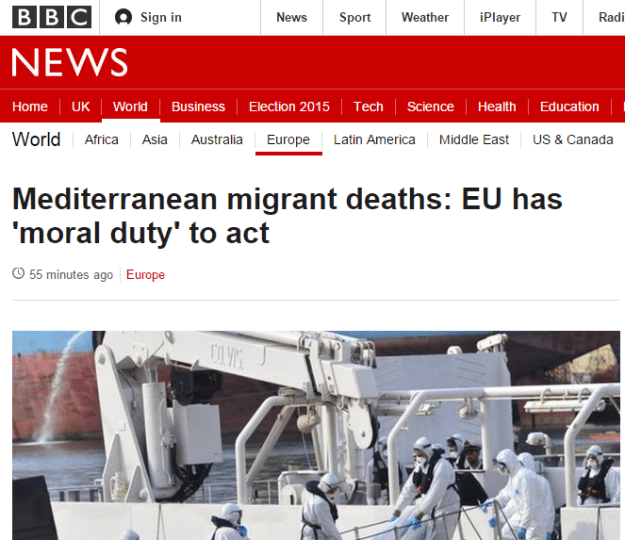
Someone, somewhere, ought to be doing some research on the increasing use of the colon in news article headlines online. That simple character has already become the go-to option when it comes to fixing your headline for search engine optimisation (SEO).

One of the ‘rules’ of SEO is to make sure you get key words in your headline. A second rule is to try to get those words at the front of your headline.

The colon allows you to do both.

Here are just a few examples: Continue reading

Metrics and the media: we can measure it – but can we manage it?

Today I will be chairing the ‘Data Strategy’ track of talks at the Monetising Media conference: individuals in every part of the industry talking about how metrics now inform not just content strategy but revenue, advertising, and customer relations.

As I introduce the day I will be thinking about two pieces of data in particular: research by the Tow Center’s Caitlin Petre into the use of Chartbeat; and Checking, Sharing, Clicking and Linking, a piece of research into consumption. Continue reading

How to: convert XML or JSON into spreadsheets using Open Refine

curly brackets

Curly brackets pattern by Dan McCullough

One of the most useful applications of the data cleaning tool Open Refine (formerly Google Refine) is converting XML and JSON files into spreadsheets that you can interrogate in Excel.

Surprisingly, I’ve never blogged about it. Until now. Continue reading

NICAR launches list for Spanish speaking journalists

Screenshots of La Nacion, ICIJ

The list already boasts journalists from some of the leading data journalism projects in Latin America

A new data journalism mailing list for Spanish speakers has been launched by The National Institute for Computer-Assisted Reporting (NICAR) and its parent organisation, Investigative Reporters and Editors (IRE), reports Barbara Maseda.

NICAR-ESP-L, as it is called, seeks to be the Spanish version of NICAR-L, a mailing list in English that has been active for over 20 years. Continue reading

If you’re worried about the future of FOI, here’s what you can do about it

Independent front page on FOISo, the commission that has been formed to look into Freedom of Information in the UK is worrying a lot of people, particularly journalists. From the selection of its members and lack of transparency to suggestions of vetoes and charges, there’s a strong signal of an intention to curtail the ‘free’ in ‘freedom’.

But there is an opportunity to have an input into the commission, through its call for evidence. This not only allows you to send your opinions on improving FOI to the commission via email, but also has an online form you can fill in.

If you take the form route there are 2 key questions:

  1. What protection should there be for internal deliberations of public bodies
  2. What protection should there be for information which relates to the process of collective Cabinet discussion and agreement
  3. What protection should there be for information which involves candid assessment of risks
  4. Should the executive have a veto (subject to judicial review) over the release of information
  5. What is the appropriate enforcement and appeal system
  6. And is the burden imposed on public authorities under the Act justified by the public interest in the public’s right to know

Whether you think it’s a foregone conclusion or not, this is a key opportunity to have a shot.