Paul teaches data journalism at Birmingham City University and is the author of a number of books and book chapters about online journalism and the internet, including the Online Journalism Handbook, Mobile-First Journalism, Finding Stories in Spreadsheets, Data Journalism Heist and Scraping for Journalists.
From 2010-2015 he was a Visiting Professor in Online Journalism at City University London and from 2009-2014 he ran Help Me Investigate, an award-winning platform for collaborative investigative journalism. Since 2015 he has worked with the BBC England and BBC Shared Data Units based in Birmingham, UK. He also advises and delivers training to a number of media organisations.
On Tuesday I will be hosting the award-winning investigative journalist and FOI campaigner Jenna Corderoy at the Lyra McKee Memorial Lecture. Ahead of the event, I asked Jenna about her tips on investigations, FOI, confidence, and the challenges facing the industry.
What’s the story you have learned the most from?
The story that I learned the most from was definitely our Clearing House investigation. Back in November 2020, we revealed the existence of a unit within the heart of government, which screened Freedom of Information (FOI) requests and instructed government departments on how to respond to requests. The unit circulated the names of requesters across Whitehall, notably the names of journalists.
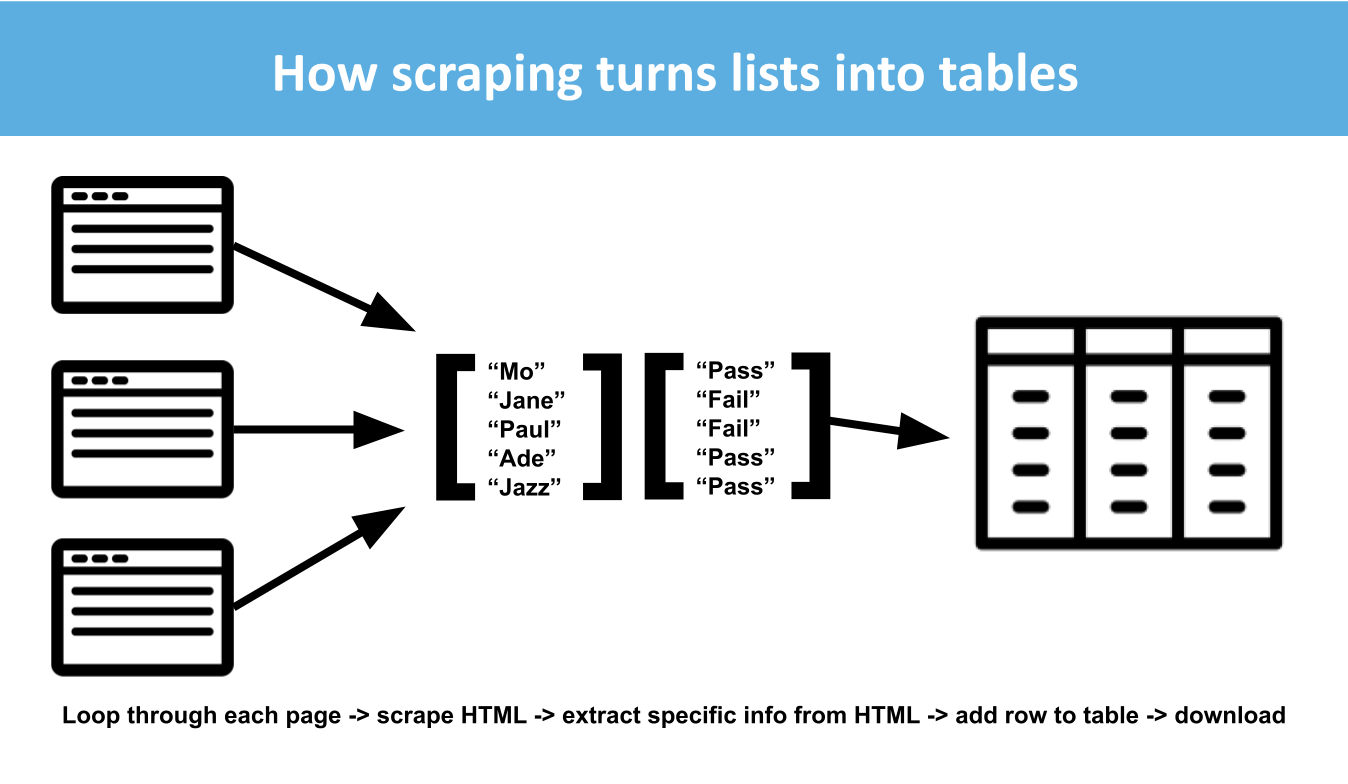
Python is an extremely powerful language for journalists who want to scrape information from online sources. This series of videos, made for students on the MA in Data Journalism at Birmingham City University, explains some core concepts to get started in Python, how to use Colab notebooks within Google Drive, and introduces some code to get started with scraping.
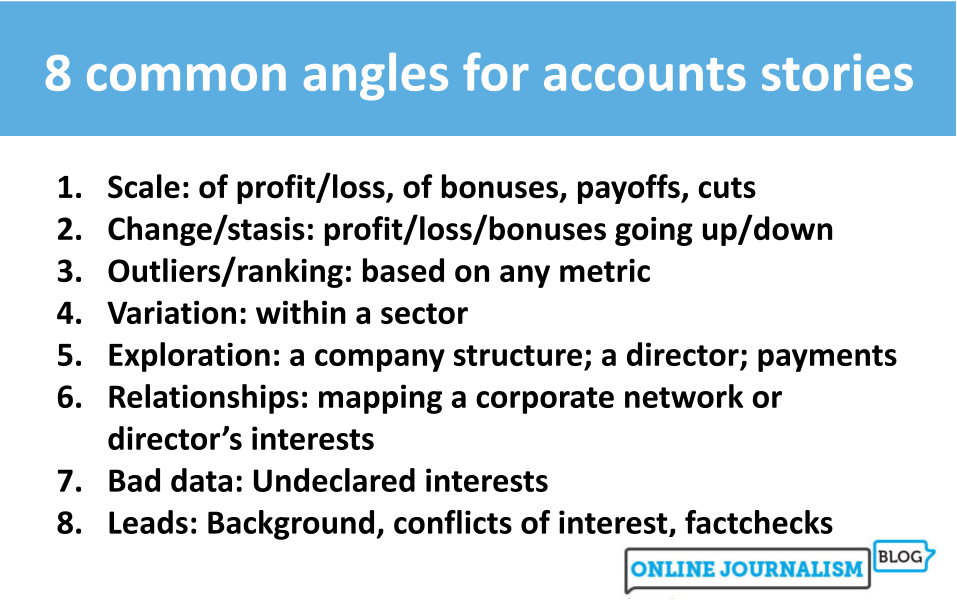
A couple of years ago I mapped out eight common angles for identifying stories in data. It turns out that the same framework is useful for finding stories in company accounts, too — but not only that: the angles also map neatly onto three broad techniques.
In this post I’ll go through each of the three techniques — looking at cash flow statements; compiling data from multiple accounts; and tracing people and connections — and explain how they can be used to get stories, with examples of articles that have used those techniques successfully.
🔦 9 способов найти историю в финансовых отчётах компаний@paulbradshaw вместе со своими студентами собрал примеры, в которых чтение нужной страницы отчёта помогло быстро подготовить действительно интересный расследовательский материал👇 https://t.co/YKwvdkJxzh
— GIJN – Глобальная сеть журналистов-расследователей (@gijnRu) February 1, 2023
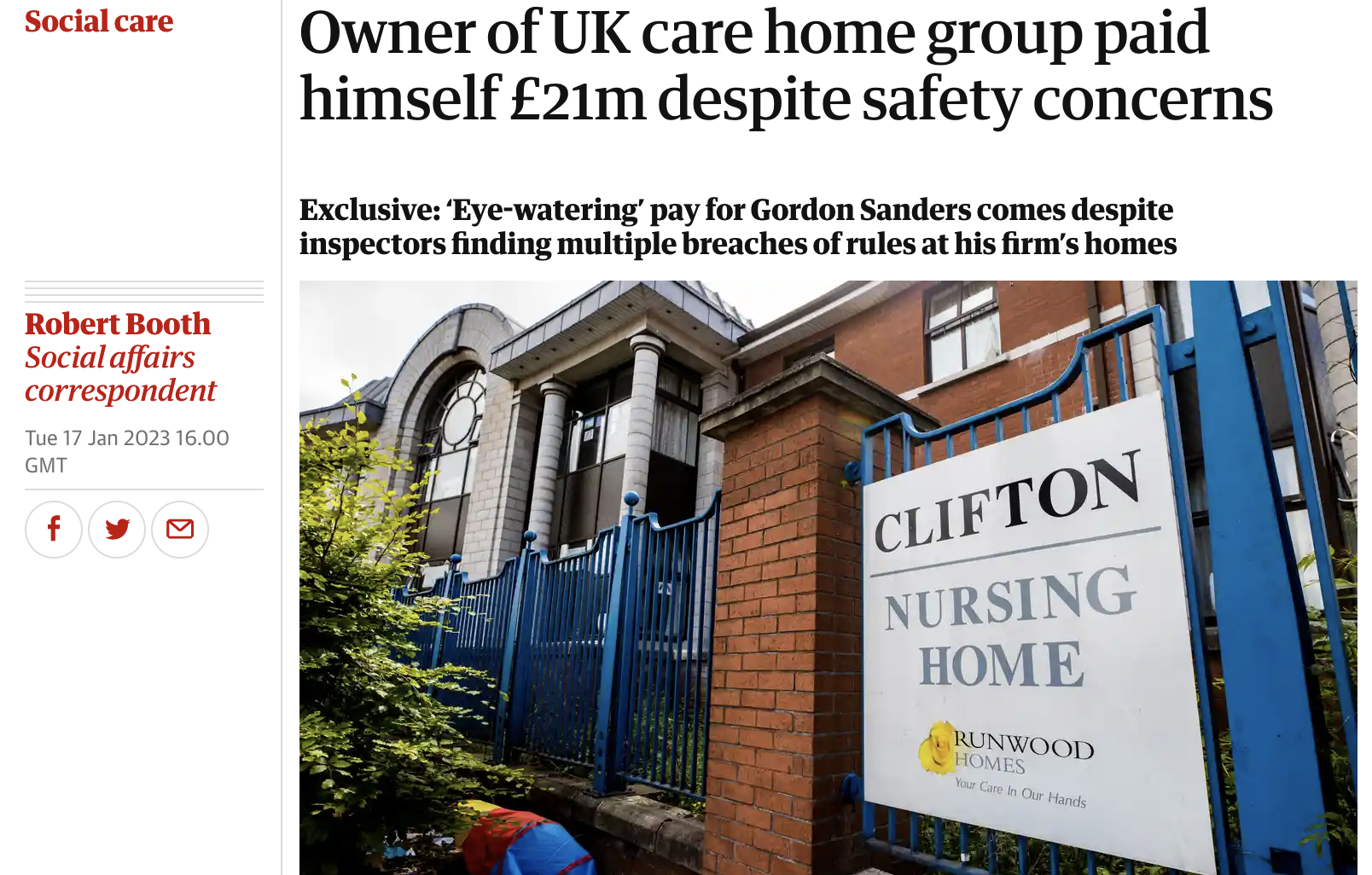
🧵 It’s time for another roller-coaster thread digging into how one journalist has used company accounts* to get a great story. This time it's a front page story by @Robert_Boothhttps://t.co/yFi4qH5IBJ *Featuring: other useful open sources
In this edited extract from the forthcoming third edition of the Online Journalism Handbook I look at how a ‘triangulation’ approach to sourcing can help broaden story research and improve reporting.
Two centuries ago journalists were called reporters because they drew their information from official reports — documents.
Then in the late 19th century a new source became part of journalistic practice: people, as interviews and eyewitness accounts were added to news articles.
The late 20th century saw reporting undergo another expansion in sourcing, as digital data was added to the journalist’s toolkit.
Although reports had included tables and other sources of data, the properties of digital data — filterable, sortable and searchable — have been significant, and make data a qualitatively different type of source.
How documents, people and data all lead to each other
Considering sourcing along those three dimensions — people, documents, and data — can be particularly useful when planning sourcing.
In the summer of last year ProPublica published a major investigation into air pollution in Florida, and its connection to the sugar industry. The story itself, Black Snow, is an inspiring example of scrollytelling — but equally instructive is the methodology article which accompanies it, responding to criticisms from the sugar industry.
Not only does it demonstrate how to respond when large organisations attack a piece of journalism — it also provides a great lesson on the tactics that are adopted by organisations when attacking data-driven stories.
In this post I want to break down the three most common attack tactics, how ProPublica deal with two of those, and how to use the same tactics during planning to ensure your project design isn’t flawed.
The article explains what APIs are and how they differ from other data sources; the basic principles of how they work and how they can be used for stories; some of the jargon to expect — and where to find them. Read the article here.